Paticca-samuppada
English
rendition :- S.Nopporn
The Law of Dependent Origination (Paticca-samuppada)
In summarized form or in brief
(Translationโ€�s Note:-
This subject has been mistranslated
or mistreated by some Western and Asian authors; most of them have completely
misinterpreted the true meaning and view of dependent origination. The formula
of this law of dependent origination and a closer study of the subject run as
follows:-)
เธ�เธ�เธดเธ�เธ�เธชเธกเธธเธ�เธ�เธฒเธ— เน�เธ”เธขเธขเน�เธ�เธขเน�เธญ
เธ�เธ�เธดเธ�เธ�เธชเธกเธธเธ�เธ�เธฒเธ— เน€เธ�เน�เธ�เธ�เธฃเธกเธฑเธ•เธ–เธ�เธฃเธฃเธกเธ—เธตเน�เน�เธชเธ”เธ�เน�เธ”เธขเธญเธ�เธ�เน�เธชเธกเน€เธ”เน�เธ�เธ�เธฃเธฐเธชเธฑเธกเธกเธฒเธชเธฑเธกเธ�เธธเธ—เธ�เน€เธ�เน�เธฒ เธญเธ�เธ�เน�เธ�เธฃเธฃเธกเธ•เน�เธฒเธ�เน�เน�เธ�เธ�เธ�เธดเธ�เธ�เธชเธกเธธเธ�เธ�เธฒเธ—เธ�เธฃเธฃเธกเธ�เธถเธ�เธฅเน�เธงเธ�เน�เธ•เน�เน€เธ�เน�เธ�เธ เธฒเธฉเธฒเธ�เธฒเธฅเธต เธ”เธฑเธ�เธ�เธฑเน�เธ�เธ�เธฒเธฃเน€เธ�เธฃเธดเธ�เธงเธดเธ�เธฑเธชเธชเธ�เธฒเน�เธ�เธ�เธ�เธดเธ�เธ�เธชเธกเธธเธ�เธ�เธฒเธ—เธ�เธฃเธฃเธกเธ�เธตเน� เธ�เธถเธ�เธ•เน�เธญเธ�เธจเธถเธ�เธฉเธฒเธ�เน�เธ�เธ�เธงเน�เธฒเธ�เธณเธ�เธฒเธฅเธตเธ—เธตเน�เน€เธ�เธตเน�เธขเธงเน€เธ�เธทเน�เธญเธ�เธ�เน�เน€เธ�เธทเน�เธญเธ�เธฃเธฐเน�เธขเธ�เธ�เน�เน�เธ�เธ�เธฒเธฃเน�เธขเธ�เธดเน�เธชเธกเธ�เธชเธดเธ�เธฒเธฃ เธ�เธถเธ�เน�เธ”เน�เธ�เธขเธฒเธขเธฒเธกเน�เธ�เธฅเธ�เธณเธ—เธธเธ�เธ�เธฒเธฅเธตเธชเธญเธ”เน�เธ—เธฃเธ�เน�เธงเน�เธ•เธฅเธญเธ”เน€เธ�เธทเน�เธญเน�เธซเน�เธ—เน�เธฒเธ�เน�เธ”เน�เน€เธ�เน�เธฒเน�เธ�เธ�เธฃเธฐเธ�เน�เธฒเธ�เธ�เธถเน�เธ�เน€เธ�เธทเน�เธญเธ�เธงเธฒเธกเธชเธฐเธ”เธงเธ�เน�เธ�เธ�เธฒเธฃเธ�เธดเธ�เธฒเธฃเธ“เธฒเน�เธขเธ�เธดเน�เธชเธกเธ�เธชเธดเธ�เธฒเธฃ เน�เธฅเธฐเน€เธ�เธทเน�เธญเธ�เธ�เธฒเธ�เธ เธฒเธฉเธฒเธ�เธญเธ�เน€เธฃเธฒเธ�เธฑเน�เธ� เธกเธตเธ�เธงเธฒเธกเธ”เธตเธ”เธ”เธดเน�เธ�เน�เธ�เธฅเน�เธ”เน�เธซเธฅเธฒเธขเธ�เธงเธฒเธกเธซเธกเธฒเธขเธ�เธฃเธดเธ�เน�เน�เธฅเธฐเธ�เธฅเน�เธฒเธขเธ เธฒเธฉเธฒเธ�เธฒเธฅเธตเธญเธตเธ�เธ”เน�เธงเธข เน�เธฅเธฐเธขเธฑเธ�เธกเธตเธ�เธฒเธฃเน�เธ�เน�เธ�เธฑเธ�เธญเธขเน�เธฒเธ�เธ�เธชเธกเธ�เธ�เน€เธ�เธ�เธ�เน�เธขเธ�เธ�เธฑเธ�เน�เธ—เธ�เน�เธกเน�เธญเธญเธ� เธ”เธฑเธ�เน€เธ�เน�เธ�เธ�เธณเธงเน�เธฒ เธญเธฒเธฃเธกเธ“เน� เน�เธ�เธ เธฒเธฉเธฒเน�เธ—เธขเธซเธฃเธทเธญเน�เธ�เธ—เธฒเธ�เน�เธฅเธ�เน�เธ�เน�เน�เธ�เธ�เธงเธฒเธกเธซเธกเธฒเธขเธงเน�เธฒ เธ�เธงเธฒเธกเธฃเธนเน�เธชเธถเธ� เน€เธ�เน�เธ� เธญเธฒเธฃเธกเธ“เน�เธ”เธต เธญเธฒเธฃเธกเธ“เน�เน€เธชเธตเธข เธญเธฒเธฃเธกเธ“เน�เธฃเน�เธฒเธข, เน�เธ•เน�เธญเธฒเธฃเธกเธ“เน�เน�เธ�เธ—เธฒเธ�เธ�เธฃเธฐเธจเธฒเธชเธ�เธฒเธซเธฃเธทเธญเธ เธฒเธฉเธฒเธ�เธฃเธฃเธกเน�เธฅเน�เธงเธ–เน�เธฒเน�เธ�เธฅเน�เธ�เธ”เธฑเน�เธ�เธ�เธฑเน�เธ�เน�เธฅเน�เธง เธ�เน�เธ�เธฐเน�เธกเน�เน�เธ”เน�เน�เธ�เธ�เธงเธฒเธกเธ—เธตเน�เธ–เธนเธ�เธ•เน�เธญเธ�เธ�เธ�เน€เธซเน�เธ�เธ�เธฃเธฃเธกเน�เธ”เน�เน€เธฅเธข เน€เธ�เธฃเธฒเธฐเธญเธฒเธฃเธกเธ“เน�เน�เธ�เธ เธฒเธฉเธฒเธ�เธฒเธฅเธตเธซเธฃเธทเธญเธ เธฒเธฉเธฒเธ�เธฃเธฃเธกเธกเธตเธ�เธงเธฒเธกเธซเธกเธฒเธขเธงเน�เธฒ เธชเธดเน�เธ� เธ—เธตเน�เธ�เธดเธ•เน�เธ�เธ�เธณเธซเธ�เธ”เธซเธกเธฒเธข เธซเธฃเธทเธญเธขเธถเธ”เน�เธงเน�เน�เธ�เธ�เธ“เธฐเธ�เธฑเน�เธ�เน�, เธ�เธณเธงเน�เธฒ เธชเธดเน�เธ� เธ�เธถเธ�เธกเธตเธ�เธงเธฒเธกเธซเธกเธฒเธขเธ�เธฃเธญเธ�เธ�เธฅเธธเธกเธ–เธถเธ� เธฃเธนเธ� เธฃเธช เธ�เธฅเธดเน�เธ� เน€เธชเธตเธขเธ� เน�เธ�เธ�เธ�เธฑเธ�เธ�เธฐ(เธชเธฑเธกเธ�เธฑเธช) เธ�เธฃเธฃเธกเธกเธฒเธฃเธกเธ“เน� เน�เธ”เน�เธ�เน�เธ•เธฒเธกเธ—เธต เธ—เธตเน�เธ�เธดเธ•เน�เธ�เธ�เธณเธซเธ�เธ”เธซเธกเธฒเธขเน�เธ�เธ�เธ“เธฐเธ�เธฑเน�เธ�เน� เธ”เธฑเธ�เธ�เธฑเน�เธ�เน€เธกเธทเน�เธญเธ�เธณเธ�เธณเธงเน�เธฒเธญเธฒเธฃเธกเธ“เน�เน�เธ�เธ—เธฒเธ�เน�เธฅเธ�เน�เธ�เน�เธ�เน�เธญเธขเน�เธฒเธ�เธ�เธดเธ”เน�เธซเธกเธฒเธขเธ–เธถเธ�เน�เธ�เน�เธ�เน�เน�เธ�เธ—เธฒเธ�เธ�เธฃเธฃเธก เน€เธ�เน�เธ�เน�เธ� เน€เธงเธ—เธ�เธฒเธ—เธตเน�เน�เธ�เธฅเธงเน�เธฒเธ�เธฒเธฃเน€เธชเธงเธขเธญเธฒเธฃเธกเธ“เน� เธ�เน�เธขเน�เธญเธกเน€เธ�เน�เธฒเน�เธ�เธ�เธงเธฒเธกเธ�เธดเธ” เธ•เธตเธ�เธงเธฒเธกเธซเธกเธฒเธขเน�เธ�เธ�เธดเธ”เน� เธซเธฃเธทเธญเน�เธ�เน�เธ�เน�เธญเธฒเธฃเธกเธ“เน�เน�เธ�เธ�เธงเธฒเธกเธซเธกเธฒเธขเธ—เธฒเธ�เน�เธฅเธ�เธซเธฃเธทเธญเน�เธฅเธ�เธดเธขเธฐเน�เธ�เน�เธ�เธ�เธงเธฒเธกเธซเธกเธฒเธขเธ�เธญเธ�เธชเธกเธฒเธ�เธดเธ—เธตเน�เธซเธกเธฒเธขเธ–เธถเธ� เธ�เธฒเธฃเธกเธตเธ�เธดเธ•เธ�เธณเธซเธ�เธ”เน�เธ�เน�เธงเน�เธ�เน�เธญเธขเธนเน�เธ�เธฑเธ�เธญเธฒเธฃเธกเธ“เน� เธ�เน�เน�เธกเน�เธชเธฒเธกเธฒเธฃเธ–เธซเธขเธฑเน�เธ�เธฃเธนเน�เธ�เธงเธฒเธกเธซเธกเธฒเธขเน�เธ”เน�เธญเธขเน�เธฒเธ�เธ–เธนเธ�เธ•เน�เธญเธ� เธซเธฃเธทเธญเธ”เธฑเธ�เธ�เธณเธงเน�เธฒเธงเธดเธ�เธ�เธฒเธ“ เธ—เธตเน�เธ�เธฅเน�เธฒเธงเธ�เธถเน�เธ�เน€เธกเธทเน�เธญเน�เธ” เธ�เธธเธ–เธธเธ�เธ�เธกเธฑเธ�เธ�เธดเธ”เธ–เธถเธ�เน�เธ�เน�เธ�เธฅเธฑเธ�เธฉเธ“เธฐเน€เธ�เธ•เธ เธนเธ•เธซเธฃเธทเธญเธ�เธฒเธขเธ—เธดเธ�เธขเน�เธซเธฃเธทเธญเธ�เธ�เธดเธชเธ�เธ�เธดเธงเธดเธ�เธ�เธฒเธ“ เธฏ. เธญเธฑเธ�เน€เธ�เน�เธ�เธ�เธงเธฒเธกเน€เธ�เน�เธฒเน�เธ�เน�เธ�เน�เธ�เน�เธ�เธ�เน�เธฅเธ�เธดเธขเธฐเธซเธฃเธทเธญเน�เธ�เธ�เน�เธฅเธ�เน� เธ”เธฑเธ�เธ�เธฑเน�เธ�เน€เธกเธทเน�เธญเธ�เธณเธ�เธงเธฒเธกเน€เธ�เน�เธฒเน�เธ�เธ”เธฑเธ�เธ�เธฅเน�เธฒเธงเธกเธฒเธ�เธฃเธฐเธ�เธญเธ�เธ�เธฒเธฃเธ�เธดเธ�เธฒเธฃเธ“เธฒเธ�เธฃเธฃเธก(เธ�เธฃเธฃเธกเธงเธดเธ�เธขเธฐ)เน�เธ�เธ�เธ�เธดเธ�เธ�เธชเธกเธธเธ�เธ�เธฒเธ—เธซเธฃเธทเธญเธ�เธฑเธ�เธ�เน� เน• เธ�เน�เธ•เธฒเธกเธ—เธต เธ�เธถเธ�เธขเน�เธญเธกเน�เธกเน�เธชเธฒเธกเธฒเธฃเธ–เน€เธ�เน�เธฒเน�เธ�เธ�เธฃเธฃเธกเน�เธ”เน�เธญเธขเน�เธฒเธ�เน�เธ�เน�เธกเน�เธ�เน�เธ�เน€เธฅเธข เธ�เธถเธ�เธ•เน�เธญเธ�เน€เธ�เน�เธฒเน�เธ�เธงเธดเธ�เธ�เธฒเธ“เธญเธขเน�เธฒเธ�เน�เธฅเธ�เธธเธ•เธฃเธฐเธซเธฃเธทเธญเธญเธขเน�เธฒเธ�เธ เธฒเธฉเธฒเธ�เธฃเธฃเธกเธ�เธถเธ�เธ�เธฐเธ�เธฃเธฃเธกเธงเธดเธ�เธขเธฐเน�เธ�เธ�เธฃเธฃเธกเธ�เธฑเน�เธ�เน�เน�เธ”เน�เธญเธขเน�เธฒเธ�เธ–เธนเธ�เธ•เน�เธญเธ�เน�เธ�เน�เธกเน�เธ�เน�เธ� เธซเธฃเธทเธญเธ”เธฑเธ�เธ�เธณเธงเน�เธฒเธชเธฑเธ�เธ�เธฒเธฃเธ—เธตเน�เธ—เธฒเธ�เน�เธฅเธ�เน€เธกเธทเน�เธญเน€เธญเน�เธขเธ–เธถเธ�เธกเธฑเธ�เธ�เธถเธ�เน�เธ�เธ–เธถเธ�เธฃเน�เธฒเธ�เธ�เธฒเธข เน�เธ•เน�เน�เธ�เธ—เธฒเธ�เธ�เธฃเธฃเธกเธ�เธฑเน�เธ� เธชเธฑเธ�เธ�เธฒเธฃเธซเธกเธฒเธขเธ–เธถเธ�เธ—เธธเธ�เธชเธฃเธฃเธ�เธชเธดเน�เธ�เธ—เธตเน�เธ–เธนเธ�เธ�เธฃเธธเธ�เน�เธ•เน�เธ�เธ�เธถเน�เธ�, เน�เธฅเธฐเน€เธซเธ•เธธเธชเน�เธฒเธ�เธฑเธ�เธ—เธตเน�เธชเธธเธ”เน€เธ�เน�เธ�เธ�เธฒเธฃเน€เธ—เธดเธ”เธ�เธฃเธฐเน€เธ�เธตเธขเธฃเธ•เธดเน�เธ�เธญเธ�เธ�เธฃเธฐเธจเธฒเธชเธ”เธฒเธงเน�เธฒเน€เธ�เน�เธ�เธ�เธฃเธฃเธกเธ—เธตเน�เธ�เธฃเธฐเธญเธ�เธ�เน�เธ—เน�เธฒเธ�เน�เธ”เน�เธ—เธฃเธ�เธ•เธฃเธฑเธชเธฃเธนเน�เธ�เธญเธ�เธ”เน�เธงเธขเธ�เธฃเธฐเธญเธ�เธ�เน�เน€เธญเธ� เน�เธฅเธฐเธชเธดเน�เธ�เธชเน�เธฒเธ�เธฑเธ�เธญเธตเธ�เธ�เธฃเธฐเธ�เธฒเธฃเธ�เธทเธญเธ�เธ�เธดเธ�เธ�เธชเธกเธธเธ�เธ�เธฒเธ—เธ�เธฃเธฃเธกเธ�เธฑเน�เธ�เธ�เธดเธ�เน�เธ�เธ�เธงเธฒเธกเธ—เธตเน�เธฅเธถเธ�เธ�เธถเน�เธ�เธ�เธงเน�เธฒเธ�เน�เธซเธ�เน�เน�เธ�เธจเธฒเธฅเธ�เธฑเธ� เน€เธกเธทเน�เธญเน€เธ�เธดเธ”เธ�เธงเธฒเธกเน€เธ�เน�เธฒเน�เธ�เธซเธฃเธทเธญเธชเธ�เธชเธฑเธขเธชเธดเน�เธ�เน�เธ” เธ�เน�เธ—เน�เธฒเน�เธซเน�เธชเธฒเธกเธฒเธฃเธ–เน€เธ�เธทเน�เธญเธกเน�เธขเธ�เน�เธขเธ�เธฑเธ�เธ�เธฃเธฃเธกเธญเธทเน�เธ�เน�เธ�เธญเธ�เธ�เธฃเธฐเธ�เธธเธ—เธ�เธญเธ�เธ�เน�เน�เธ”เน�เธ�เธฅเธกเธ�เธฅเธทเธ�เน�เธฅเธฐเธญเธขเน�เธฒเธ�เน�เธ�เน�เธกเน�เธ�เน�เธ� เธญเธฑเธ�เธฅเน�เธงเธ�เน�เธ•เน�เธญเน�เธฒเธ�เธญเธดเธ�เธ�เธฃเธฐเธ�เธฒเธฅเธตเธ�เธฑเธ�เธ—เธฑเน�เธ�เธชเธดเน�เธ� เธญเธฑเธ�เธ�เธฑเธ�เธ—เน�เธฒเน�เธซเน�เน€เธ�เธดเธ”เธ�เธงเธฒเธกเน€เธ�เน�เธฒเน�เธ�เธญเธขเน�เธฒเธ�เธซเธกเธ”เธ�เธ” เธ—เน�เธฒเน�เธซเน�เน�เธ�เน�เธ�เน�เธญเธชเธ�เธชเธฑเธขเน�เธ�เธ�เธฃเธฃเธกเธญเธทเน�เธ�เน�เน�เธ”เน�เธ”เธตเธขเธดเน�เธ�เธ�เธถเน�เธ� เน�เธ•เน�เน€เธ�เธทเน�เธญเน�เธซเน�เน€เธ�เธดเธ”เธ�เธธเธ“เธ�เธฃเธฐเน�เธขเธ�เธ�เน�เธชเธนเธ�เธชเธธเธ” เธ�เธนเน�เน€เธ�เธตเธขเธ�เธ�เธฐเธ�เธขเธฒเธขเธฒเธกเน€เธ�เธตเธขเธ�เธชเธทเน�เธญเน�เธฅเธฐเธขเน�เธ�เธขเน�เธญเธ�เธงเธฒเธกเน�เธ�เธ�เธฃเธฃเธกเธญเธฑเธ�เธ�เธฃเธฐเธ“เธตเธ• เน�เธ•เน�เน�เธ�เน�เธฅเธฐเธขเน�เธญเธกเธกเธตเธ�เธฒเธฅเธตเน�เธ—เธฃเธ�เน€เธ�เน�เธ�เน€เธ�เธข เธญเธฑเธ�เน€เธซเธกเธทเธญเธ�เธ—เน�เธฒเธ�เน€เธฃเธตเธขเธ�เน�เธ�เธ—เธขเน�เธ�เน�เธขเน�เธญเธกเธ�เธณเธ•เน�เธญเธ�เธ—เธฃเธฒเธ�เธจเธถเธ�เธฉเธฒเธ�เน�เธฒเธจเธฑเธ�เธ—เน�เธ—เธฒเธ�เธ�เธฒเธฃเน�เธ�เธ—เธขเน�เน€เธ�เน�เธ�เธ�เธฃเธฃเธกเธ”เธฒ เน€เธ�เธฃเธฒเธฐเธ�เธถเธ�เธชเธฒเธกเธฒเธฃเธ–เธ�เธตเน�เน€เธ�เธ�เธฒเธฐเน€เธ�เธฒเธฐเธ�เธ�เน�เธ�เน�เธ•เน�เธฅเธฐเธชเธดเน�เธ�เน�เธ”เน�เธญเธขเน�เธฒเธ�เน€เธ�เธ�เธฒเธฐเน€เธ�เธฒเธฐเธ�เธ�เน�เธฅเธฐเน€เธ�เธทเน�เธญเธชเธฒเธกเธฒเธฃเธ–เธชเธทเน�เธญเธ�เธฑเธ�เธ�เธนเน�เธญเธทเน�เธ�เธ”เน�เธงเธขเธ�เธงเธฒเธกเธซเธกเธฒเธขเน€เธ”เธตเธขเธงเธ�เธฑเธ�เธญเธขเน�เธฒเธ�เธ–เธนเธ�เธ•เน�เธญเธ�, เธ�เธถเน�เธ�เธ�เธฑเธ�เธ�เน�เธญเธ�เธฃเธฐเน�เธขเธ�เธ�เน�เน�เธ�เน�เธ—เน�เธฒเธ�เน�เธ�เธ เธฒเธขเธซเธ�เน�เธฒเน€เธกเธทเน�เธญเธ�เธณเน�เธ�เธจเธถเธ�เธฉเธฒเธซเธฃเธทเธญเน�เธขเธ�เธดเน�เธชเธกเธ�เธชเธดเธ�เธฒเธฃ เธซเธฃเธทเธญเน�เธกเน�เน�เธ•เน�เธชเธ�เธ—เธ�เธฒเธ�เธฃเธฃเธกเธ�เธฑเธ�เธ�เธนเน�เธฃเธนเน�เธญเธทเน�เธ� เน�เธ•เน�เธ–เธถเธ�เธญเธขเน�เธฒเธ�เน�เธฃเธ�เน�เธ•เธฒเธกเธชเธดเน�เธ�เธ—เธตเน�เธ�เธฐเน€เธ�เธตเธขเธ�เน�เธ�เธ�เธ—เธ�เธตเน�เธ�เน�เธ�เธ�เธ�เธฐเน�เธกเน�เธ�เน�เธฒเธขเธ�เธฑเธ�เธ—เธตเน�เธ�เธฐเธ—เน�เธฒเธ�เธงเธฒเธกเน€เธ�เน�เธฒเน�เธ�เน€เธ�เน�เธ�เน€เธ�เธข เธ�เธถเธ�เธ�เธงเธฃเธ•เธฑเน�เธ�เธ�เธดเธ•เน�เธซเน�เธชเธ�เธ� เน�เธฅเน�เธงเธญเน�เธฒเธ�เธญเธขเน�เธฒเธ�เธ�เธดเธ�เธฒเธฃเธ“เธฒ เน€เธ�เธฃเธฒเธฐเธ�เธงเธฒเธกเธ—เธตเน�เน€เธ�เน�เธ�เธ�เธฃเธฐเธ�เธงเธ�เธ�เธฃเธฃเธกเธ�เธญเธ�เธ�เธดเธ•เน�เธ�เธ�เธฒเธฃเน€เธ�เธดเธ”เธ�เธถเน�เธ�เน�เธซเน�เธ�เธ—เธธเธ�เธ�เน� เน�เธฅเธฐเธ”เธฑเธ�เน�เธ�เน�เธซเน�เธ�เธ—เธธเธ�เธ�เน�เธ�เธญเธ�เธกเธงเธฅเธกเธ�เธธเธฉเธขเธ�เธฒเธ•เธดเธ—เธฑเน�เธ�เธซเธฅเธฒเธขเธ—เธฑเน�เธ�เธ�เธงเธ� เธ—เธตเน�เธ�เธฃเธฐเธญเธ�เธ�เน�เธ—เน�เธฒเธ�เธ•เธฃเธฑเธชเน�เธงเน�เธงเน�เธฒ เธฅเธถเธ�เธ�เธถเน�เธ�เธขเธดเน�เธ�เธ�เธฑเธ� เธ�เธถเธ�เน�เธ”เน�เธ�เธฃเธญเธ�เธ�เน�เธฒเธกเธ�เธธเธฉเธขเน�เธ—เธธเธ�เธฃเธนเธ�เธ�เธฒเธกเธกเธฒเธ•เธฅเธญเธ”เธ�เธฒเธฅเธ�เธฒเธ�เน�เธฅเธฐเธญเธตเธ�เธ•เธฅเธญเธ”เน�เธ� เธ�เธ�เธ�เธงเน�เธฒเน€เธฃเธฒเธ�เธฐเน€เธ�เน�เธฒเน�เธ�เธชเธฑเธ�เธ�เธ�เธฃเธฃเธกเธ�เธญเธ�เธ�เธฃเธฐเธญเธ�เธ�เน�เธ—เน�เธฒเธ�เน€เธ—เน�เธฒเธ�เธฑเน�เธ� เธ�เธถเธ�เธ�เธงเธฃเน�เธขเธ�เธดเน�เธชเธกเธ�เธชเธดเธ�เธฒเธฃเธ”เน�เธงเธขเธ�เธงเธฒเธกเน�เธขเธ�เธ�เธฒเธข เธงเธฒเธ�เธ�เธงเธฒเธกเน€เธ�เธทเน�เธญเธ�เธงเธฒเธกเน€เธ�เน�เธฒเน�เธ�เธซเธฃเธทเธญเธ—เธคเธฉเธ�เธตเน€เธ”เธดเธกเน�(เธ—เธดเธ�เธ�เธธเธ�เธฒเธ—เธฒเธ�)เธ—เธตเน�เธญเธฒเธ�เธ�เธฑเธ”เน�เธขเน�เธ�เธ�เธฑเธ�เธฅเธ�เน€เธชเธตเธขเธ�เธ“เธฐเธซเธ�เธถเน�เธ� เน�เธฅเน�เธงเธ�เธดเธ�เธฒเธฃเธ“เธฒเธ”เน�เธงเธขเน�เธ�เธ—เธตเน�เธชเธ�เธ�เน�เธกเน�เธ�เธฑเธ”เธชเน�เธฒเธขเธ”เน�เธงเธขเน�เธ�เน�เธ�เธณเธฅเธฑเธ�เธ�เธญเธ�เธ�เธ“เธดเธ�เธชเธกเธฒเธ�เธดเธ�เน�เธ”เธตเธ�เธฒเธกเน�เธฅเน�เธง เน�เธ”เธขเธญเธฒเธจเธฑเธขเธซเธฅเธฑเธ�เน€เธซเธ•เธธเธ�เธฅเน€เธ�เน�เธ�เธชเธณเธ�เธฑเธ� เน�เธฅเธฐเน�เธ”เธขเน€เธ�เธทเธญเธ�เน�เน€เธชเธกเธญเน�
Paticca-samuppada
The Law of Dependant Origination is
the ultimate truth expounded by the Buddha. The teachings are replete with Pali
terms. Insight development concerning this Law requires critical reflection
(yoniso โ€“ manasikara-เน�เธขเธ�เธดเน�เธชเธกเธ�เธชเธดเธ�เธฒเธฃ) and its uses and
applications. Accordingly the interpretations of the Pali terms translated into
Thai are necessary since the Thai language is very flexible and carries several
meanings. Some Thai words are identical
to Pali terms to the extent that both languages seem to be inseparable. The
term arrom or emotion or mood in Thai or in the worldly
language means satisfactory or
unsatisfactory condition, but in the supramundane
sense it connects sense โ€“ objects , not
emotion at all otherwise
one can not see through the innards of the Dhamma . In the Pali language or
in the supramundane sense the word โ€�sense-objectsโ€� mean objects consciousness.
The word โ€�objectโ€� covers only corporeality, flavour, scent, noise, tangible
object (Phottabba-เน�เธ�เธ�เธ�เธฑเธตเธ�เธ�เธฐ), cognizable object (Dhamma
rammana-เธ�เธฃเธฃเธกเธฒเธฃเธกเธ“เน�). The original Pali (arammana-เธญเธฒเธฃเธกเธ“เน�)
referred only to sense objects, though everyday speech it has now meant something
more like โ€�moodโ€�. Often, therefore, there is an emotional edge to this word.
The word โ€�pityโ€� only means feeling of
pity which in the supramundane sense has been used in a wrong connotation, meaning
Samadhi or concentration of mind
(in the worldly sense). The act
of consciousness simply connotes in the eyes of most laypersons a soul or a
divine body which again is a mundane term. We take into account the language
or the words in supramundane ways;
then we can truly observe
the righteousness (Dhammacariya).
The most commendable point in honouring and revering His Enlightenment which
is infinite or boundless in nature is that we should learn this Law of
Dependant Origination (Paticca-samuppada)
carrying profound meanings.
In case of full understanding, we can link up with the rest of His doctrine
in a beautiful and perfect way to clarify all moral doubts and disintegration.
The Dhamma doctrine is quoted in Pali and can be understood much more than usual.
To have better benefits of true
understanding , the writer
of this
article would
like to
abridge this
perfect Dhamma, and
, of course, this abridgement
is full
of Pali
terms. When
one studies medicine ,
there are many
medical terms, and
the technical vocabularies
are specific to the
subjects or topics involved. We should
be calm, cool and collected
so that we can critically interpret
our own mind.
The mental phenomenon is
a process of the arising of
distress (dukkha) or suffering
and disappearing
of dukkha occurring in all
peoples. The Buddha
uttered these
profound sentences for
our own understanding of
His Dhamma,
especially the
use and
application of critical reflection
(yoniso-manasikara) , and
the leaving behind of clinging
(attachments) and erroneous opinions
(Ditthu-padana) .
We should
learn the discordant mind
unwaveringly with
one โ€“ pointedness of mind
(kanik-samadhi-เธ�เธ“เธดเธ�เธชเธกเธฒเธ�เธด).
เธ�เธ�เธดเธ�เธ�เธชเธกเธธเธ�เธ�เธฒเธ— เน€เธ�เน�เธ�เธ�เธฃเธฃเธกเธ—เธตเน�เน�เธชเธ”เธ�เธ�เธ�เธ�เธญเธ�เธ�เธฃเธฃเธกเธ�เธฒเธ•เธดเธ–เธถเธ�เธ�เธงเธฒเธกเน€เธ�เน�เธ�เน€เธซเธ•เธธเน€เธ�เน�เธ�เธ�เธฅเน�เธฅเธฐเธ�เธงเธฒเธกเน€เธ�เธทเน�เธญเธ�เธชเธฑเธกเธ�เธฑเธ�เธ�เน�เธ�เธฑเธ� เธ�เธ�เน€เธ�เน�เธ�เธ�เธฅเน�เธซเน�เน€เธ�เธดเธ”เธ�เธงเธฒเธกเธ—เธธเธ�เธ�เน� เน�เธฅเธฐเน�เธชเธ”เธ�เน€เธซเธ•เธธเธ—เธตเน�เธ—เน�เธฒเน�เธซเน�เธ—เธธเธ�เธ�เน�เธ”เธฑเธ�เธฅเธ� เธ—เธธเธ�เธ�เน�เธ—เธตเน�เธ�เธฅเน�เธฒเธงเธ�เธตเน�เธ�เธทเธญเธ—เธธเธ�เธ�เน�เธ�เธ�เธดเธ”เธ—เธตเน�เธ”เธฑเธ�เธซเธฃเธทเธญเธ—เธณเธฅเธฒเธขเธฅเธ�เน�เธ�เน�เธ”เน� เธ�เธฅเน�เธฒเธงเธ�เธทเธญ เธญเธธเธ�เธฒเธ—เธฒเธ�เธ—เธธเธ�เธ�เน�เธ�เธฑเน�เธ�เน€เธญเธ� เธ�เธ�เธดเธ�เธ�เธชเธกเธธเธ�เธ�เธฒเธ—เธ�เธงเธฒเธกเธ�เธฃเธดเธ�เน�เธฅเน�เธงเธ•เธฑเน�เธ�เธญเธขเธนเน�เธ�เธ�เธซเธฅเธฑเธ�เธ�เธฒเธฃเธงเธดเธ—เธขเธฒเธจเธฒเธชเธ•เธฃเน�เธ�เธฑเน�เธ�เน€เธญเธ� เน€เธ�เธตเธขเธ�เน�เธ•เน�เธชเธดเน�เธ�เธ—เธตเน�เธ�เธฃเธฐเธญเธ�เธ�เน�เธ—เธฃเธ�เธ�เธฅเน�เธฒเธงเน�เธงเน�เธ�เธตเน�เน€เธ�เน�เธ�เน€เธฃเธทเน�เธญเธ�เธ�เธญเธ�เธ�เธดเธ•เธ—เธตเน�เธฅเธถเธ�เธ�เธถเน�เธ�เธญเธฑเธ�เธ�เธฑเธ�เธ•เน�เธญเธ�เธซเธฃเธทเธญเธชเธฑเธกเธ�เธฑเธชเน�เธซเน�เน€เธซเน�เธ�เน€เธ�เน�เธ�เธ•เธฑเธงเธ•เธ�เน�เธกเน�เน�เธ”เน�(เธ�เธฒเธกเธ�เธฃเธฃเธก) เธ�เธถเธ�เน�เธกเน�เธชเธฒเธกเธฒเธฃเธ–เธ�เธดเธชเธนเธ�เธ�เน�เธ�เธฅเธ�เธฑเน�เธ�เธญเธญเธ�เธกเธฒเน�เธซเน�เน€เธซเน�เธ�เน€เธ�เน�เธ�เธฃเธนเธ�เธฃเน�เธฒเธ�(เธฃเธนเธ�เธ�เธฃเธฃเธก) เธ�เธถเธ�เธ�เธฑเธ�เน€เธ�เธดเธ”เธ�เธฅเน�เธ”เน�เน�เธ�เน�เธ�เธนเน�เธฃเธนเน�เธ�เธนเน�เน€เธ�เน�เธฒเน�เธ�เธ”เน�เธงเธขเธ•เธ�เน€เธญเธ�เน€เธ—เน�เธฒเธ�เธฑเน�เธ�(เธ�เธฑเธ�เธ�เธฑเธ•เธ•เธฑเธ�) เธ�เธถเธ�เน€เธ�เน�เธ�เธ—เธตเน�เธ�เธดเธ�เน�เธซเธ�เธ�เน�เธ�เธฅเธ�เน�เธ�เธญเธขเธนเน�เธ เธฒเธขเน�เธ�เธ�เธดเธ•(เธงเธดเธ�เธดเธ�เธดเธ�เธ�เธฒ)เน�เธ�เน�เธ�เธธเธ–เธธเธ�เธ�เธ—เธฑเน�เธงเน�เน�เธ�เธซเธฃเธทเธญเธ�เธ�เธ—เธตเน�เธ—เธฑเธ�เธชเธกเธฑเธขเธ•เธฒเธกเธงเธฑเธ•เธ–เธธเธ�เธดเธขเธก เน€เธซเน�เธ�เธซเธฃเธทเธญเน€เธ�เน�เธฒเน�เธ�เธงเน�เธฒเธ�เธธเธ—เธ�เธจเธฒเธชเธ�เธฒเน€เธ�เน�เธ�เน€เธฃเธทเน�เธญเธ�เธ�เธญเธ�เธ�เธงเธฒเธกเธฅเน�เธฒเธชเธกเธฑเธขเธซเธฃเธทเธญเน�เธชเธขเธจเธฒเธชเธ•เธฃเน� เธ�เธถเธ�เธ—เน�เธฒเน�เธซเน�เน�เธกเน�เธชเธฒเธกเธฒเธฃเธ–เธฃเธนเน�เธ�เธถเน�เธ�เธ–เธถเธ�เธชเธดเน�เธ�เธ—เธตเน�เธกเธตเธ�เน�เธฒเธ—เธตเน�เธชเธธเธ”เธ—เธตเน�เธ•เธ�เน€เธญเธ�เธ�เน�เธฒเธฅเธฑเธ�เน€เธ�เธตเธขเธฃเน�เธชเธงเธ�เธซเธฒเธญเธขเธนเน�เธ—เธธเธ�เธ�เธ“เธฐเธ�เธดเธ•เน�เธ”เธขเน�เธกเน�เธฃเธนเน�เธ•เธฑเธง เธญเธฑเธ�เธ�เธทเธญเธ�เธงเธฒเธกเธชเธธเธ� เน�เธฅเธฐเน€เธ�เน�เธ�เธชเธธเธ�เธ�เธฒเธ�เธ�เธฒเธฃเธซเธฅเธธเธ”เธ�เน�เธ�(เธชเธฑเธกเธกเธฒเธงเธดเธกเธธเธ•เธ•เธด) เธญเธฑเธ�เน€เธ�เน�เธ�เธชเธธเธ�เธชเธธเธ”เธขเธญเธ”เน€เธ�เน�เธ�เธ—เธตเน�เธชเธธเธ”เน€เธชเธตเธขเธ”เน�เธงเธข เธ�เธฅเน�เธฒเธงเธ�เธทเธญ เธชเธธเธ� เธชเธ�เธ� เธชเธฐเธญเธฒเธ” เน�เธฅเธฐเธ�เธฃเธดเธชเธธเธ—เธ�เธดเน�
Paticca-samuppada
or the Law of Dependant
Origination is the dhamma
or natural law
which is
the root โ€“ cause and
root - effect and
inter-relatedness of the arising and
disappearing of
dukkha(เธ—เธธเธ�เธ�เน�)
or its
attachments of clinging (Upadana โ€“ dukkha). This
Law of Dependant
Origination rests on the
scientific principles . What
the Buddha
has explained
concerns a
profound intangible
mind or mental
factors (Namadhamma-เธ�เธฒเธกเธ�เธฃเธฃเธก)
which can not
be proofed or tested
as visible objects. (Rupa-dhamma-เธฃเธนเธ�เธ�เธฃเธฃเธก)
. This is
directly experienceable
by the
wise only (Paccattang-เธ�เธฑเธ�เธ�เธฑเธ•เธ•เธฑเธ�)
. The worldlings or modern
men may be
uncertain and
indecisive over this (vicikiccha-เธงเธดเธ�เธดเธ�เธดเธ�เธ�เธฒ)
. They regard
Buddha - sasana or
Buddhist religion (dispensation)
as backward
or superstitious , and
can not comprehend the essence
and value wittingly and consciously.
The real
nature of
Buddhism is deliverance
and right
emancipation (Samma-Vimuti-เธชเธฑเธกเธกเธฒเธงเธดเธกเธธเธ•เธ•เธด),
a bliss of highest
order or happiness, calm
, serenity , and purity.
เธ�เธฃเธฐเธ�เธงเธ�เธ�เธฒเธฃเน€เธ�เธดเธ”เธ�เธถเน�เธ�เน�เธฅเธฐเธ”เธฑเธ�เน�เธ�เน�เธซเน�เธ�เธ—เธธเธ�เธ�เน�เธ�เธตเน� เน€เธ�เน�เธ�เน�เธ�เธ•เธฒเธกเธซเธฅเธฑเธ�เธ�เธฒเธฃเน€เธ�เน�เธ�เน€เธ”เธตเธขเธงเธ�เธฑเธ�เธ�เธฑเธ�เธซเธฅเธฑเธ�เธ�เธฒเธฃเธ—เธฒเธ�เธงเธดเธ—เธขเธฒเธจเธฒเธชเธ•เธฃเน�เน�เธ�เธ�เธฑเธ�เธ�เธธเธ�เธฑเธ�เธญเธฑเธ�เธ—เธฑเธ�เธชเธกเธฑเธขเธ—เธตเน�เธ•เน�เธญเธ�เธกเธตเน€เธซเธ•เธธเธ�เธฅ เธ�เธฅเน�เธฒเธงเธ�เธทเธญเธกเธตเน€เธซเธ•เธธ เธ�เธถเธ�เน€เธ�เธดเธ”เธ�เธฅเธ�เธถเน�เธ�, เน�เธ•เน�เธ—เธฒเธ�เธ�เธธเธ—เธ�เธจเธฒเธชเธ�เธฒเธฃเธนเน�เน�เธฅเธฐเน€เธฃเธตเธขเธ�เธซเธฅเธฑเธ�เธ�เธฒเธฃเธซเธฃเธทเธญเธ�เน�เธญเธ�เธฃเธฃเธกเธ�เธตเน�เธ•เธฑเน�เธ�เน�เธ•เน� เน’เน•เน�เน� เธ�เธงเน�เธฒเธ�เธตเธกเธฒเน�เธฅเน�เธงเธงเน�เธฒ"เธญเธดเธ—เธฑเธ�เธ�เธฑเธ�เธ�เธขเธ•เธฒ" เธญเธฑเธ�เธกเธตเธ�เธธเธ—เธ�เธ”เน�เธฒเธฃเธฑเธชเน�เธงเน�เธ”เธฑเธ�เธ�เธตเน�
|
เน€เธกเธทเน�เธญเน€เธซเธ•เธธเธ�เธตเน�เธกเธต เธ�เธฅเธ�เธตเน�เธ�เธถเธ�เธกเธต |
เน€เธ�เธฃเธฒเธฐเน€เธซเธ•เธธเธ�เธตเน�เน€เธ�เธดเธ”เธ�เธถเน�เธ� เธ�เธฅเธ�เธตเน�เธ�เธถเธ�เน€เธ�เธดเธ”เธ�เธถเน�เธ� |
|
เน€เธกเธทเน�เธญเน€เธซเธ•เธธเธ�เธตเน�เน�เธกเน�เธกเธต เธ�เธฅเธ�เธตเน�เธ�เธถเธ�เน�เธกเน�เธกเธต |
เน€เธ�เธฃเธฒเธฐเน€เธซเธ•เธธเธ�เธตเน�เธ”เธฑเธ� เธ�เธฅเธ�เธตเน�เธ�เธถเธ�เธ”เธฑเธ� |
เธ�เธฅเน�เธฒเธงเธ�เธทเธญ เธชเธดเน�เธ�เธ•เน�เธฒเธ�เน�เธ—เธตเน�เน€เธ�เธดเธ”เธซเธฃเธทเธญเธ�เธฃเธฐเธ�เธญเธ�เธ�เธฃเธธเธ�เน�เธ•เน�เธ�เธ�เธถเน�เธ�เธ�เธฑเน�เธ� เธฅเน�เธงเธ�เน€เธ�เธดเธ”เน�เธ•เน�เน€เธซเธ•เธธเธ�เธฑเธ�เธ�เธฑเธข เน�เธกเน�เน�เธ�เน�เน€เธ�เธดเธ”เธ�เธถเน�เธ�เน�เธ”เธขเน�เธกเน�เธกเธตเน€เธซเธ•เธธ เน�เธกเน�เน�เธ�เน�เน€เธ�เธดเธ”เธ�เธถเน�เธ�เน€เธ�เธฃเธฒเธฐเธกเธฑเธ�เธญเธขเธฒเธ�เธ�เธฐเน€เธ�เธดเธ”เน€เธญเธ� เน�เธกเน�เน�เธ”เน�เน€เธ�เธดเธ”เธ�เธถเน�เธ�เน€เธ�เธฃเธฒเธฐเธกเธตเธชเธดเน�เธ�เน�เธ”เธซเธฃเธทเธญเธ�เธนเน�เน�เธ”เธกเธฒเธ”เธฅเธ�เธฑเธ�เธ”เธฒเธฅ เน�เธ�เธ�เธฑเน�เธ�เน�เธฃเธ�เธ�เธตเน�เน€เธฃเธฒเธ•เน�เธญเธ�เน€เธ�เน�เธฒเน�เธ�เน�เธ�เธซเธฅเธฑเธ�เธ�เธฒเธฃเธ�เธตเน�เธญเธขเน�เธฒเธ�เธกเธฑเน�เธ�เธ�เธ�เน€เธชเธตเธขเธ�เน�เธญเธ�เน�เธ”เธขเธ�เธฒเธฃเน�เธขเธ�เธดเน�เธชเธกเธ�เธชเธดเธ�เธฒเธฃ เธกเธดเธ�เธ�เธฑเน�เธ�เน€เธฃเธฒเธ�เธฐเธ—เน�เธฒเธ�เธงเธฒเธกเน€เธ�เน�เธฒเน�เธ�เธ�เธฃเธฐเธ�เธงเธ�เธ�เธฒเธฃเน€เธ�เธดเธ”เธ�เธถเน�เธ�เน�เธฅเธฐเธ”เธฑเธ�เน�เธ�เน�เธซเน�เธ�เธ—เธธเธ�เธ�เน�เธ�เธตเน�เธญเธขเน�เธฒเธ�เน�เธกเน�เน�เธ�เน�เธกเน�เธ�เน�เธ� เธ�เธญเน�เธซเน�เธ�เธดเธ�เธฒเธฃเธ“เธฒเธ•เธฃเธ�เธ�เธตเน�เน€เธ�เน�เธ�เธ�เธดเน€เธจเธฉ เน�เธกเน�เน�เธ�เน�เธงเน�เธฒเน€เธ�เน�เธฒเน�เธ�เน�เธฅเน�เธงเน€เธฅเธขเธ�เธดเธ”เธงเน�เธฒเน�เธกเน�เธชเน�เธฒเธ�เธฑเธ� เธ�เธถเธ�เน�เธกเน�เน�เธขเธ�เธดเน�เธชเธกเธ�เธชเธดเธ�เธฒเธฃเธ�เธดเธ�เธฒเธฃเธ“เธฒเน�เธซเน�เน€เธซเน�เธ�เธญเธขเน�เธฒเธ�เธฅเธถเธ�เธ�เธถเน�เธ�เน�เธ�เน�เธกเน�เธ�เน�เธ�เธ—เธตเน�เธ�เธฃเธฐเธ�เธญเธ�เธ”เน�เธงเธขเน€เธซเธ•เธธเธ�เธฅ, เธชเธฑเธ�เน€เธ�เธ•เธธเธ�เธฒเธฃเธ”เธฑเธ�เธงเน�เธฒเธ•เน�เธญเธ�เธ”เธฑเธ�เธ—เธตเน�เน€เธซเธ•เธธ เธ–เน�เธฒเธ”เธฑเธ�เธ—เธตเน�เธ�เธฅ เน�เธฅเธฐเน€เธซเธ•เธธเธขเธฑเธ�เธญเธขเธนเน� เธ�เธฅเธ�เน�เธ�เธฐเน€เธ�เธดเธ”เธ�เธถเน�เธ�เน�เธ”เน�เธญเธตเธ�เน€เธ�เน�เธ�เธ�เธฃเธฃเธกเธ”เธฒ
เน�เธฅเธฐเน€เธฃเธตเธขเธ�เธ�เธฃเธฃเธกเธซเธฃเธทเธญเธชเธ เธฒเธงเธ�เธฃเธฃเธกเธ�เธญเธ�เธ�เธฒเธฃเน€เธ�เธดเธ”เน�เธ•เน�เน€เธซเธ•เธธเธกเธฒเน€เธ�เน�เธ�เธ�เธฑเธ�เธ�เธฑเธขเธ�เธฑเธ�เธ”เธฑเธ�เธ�เธตเน�เธงเน�เธฒ เธ�เธ�เธดเธ�เธ�เธชเธกเธธเธ�เธ�เธฑเธ�เธ�เธฃเธฃเธก
เธ�เธฃเธฐเธ�เธงเธ�เธ�เธฒเธฃเน€เธ�เธดเธ”เธ�เธถเน�เธ�เน�เธซเน�เธ�เธ—เธธเธ�เธ�เน�เธ�เธตเน� เน€เธ�เธดเธ”เธ�เธถเน�เธ�เน€เธ�เน�เธ�เธงเธ�เธ�เธฃเธ�เธ�เธดเธ”เธ—เธตเน�เธซเธกเธธเธ�เน€เธงเธตเธขเธ�เธ•เน�เธญเน€เธ�เธทเน�เธญเธ�เธญเธขเน�เธฒเธ�เน�เธกเน�เธฃเธนเน�เธ�เธฑเธ�เธ�เธ�เน�เธกเน�เธฃเธนเน�เธ�เธฑเธ�เธชเธดเน�เธ� เน€เธ�เธฃเธฒเธฐเธ�เธงเธฒเธกเธ•เน�เธญเน€เธ�เธทเน�เธญเธ�เธชเธฑเธกเธ�เธฑเธ�เธ�เน�เน€เธ�เน�เธ�เน€เธซเธ•เธธเน€เธ�เน�เธ�เธ�เธฅเธ•เน�เธญเธ�เธฑเธ�เน�เธฅเธฐเธ�เธฑเธ�เน€เธ�เน�เธ�เธงเธ�เธ�เธฃ เธ�เธฅเน�เธฒเธงเธ�เธทเธญ เน€เธซเธ•เธธเน�เธ�เธตเน�เน€เธ�เน�เธ�เธ�เธฑเธ�เธ�เธฑเธขเธ�เธถเธ�เน€เธ�เธดเธ”เธชเธดเน�เธ�เธซเธฃเธทเธญเธ�เธฅเธ�เธตเน�เธ�เธถเน�เธ� เน�เธฅเธฐเธชเธดเน�เธ�เธซเธฃเธทเธญเธ�เธฅเธ—เธตเน�เน€เธ�เธดเธ”เธ�เธถเน�เธ�เธ�เธตเน�เธ�เน�เน€เธ�เน�เธ�เน€เธซเธ•เธธเธ�เธฑเธ�เธ�เธฑเธขเธญเธฑเธ�เธขเธฑเธ�เน�เธซเน�เน€เธ�เธดเธ”เธญเธตเธ�เธชเธดเน�เธ�เธซเธ�เธถเน�เธ�เธซเธฃเธทเธญเธ�เธฅเธญเธตเธ�เธชเธดเน�เธ�เธซเธ�เธถเน�เธ� เธ”เน�เธฒเน€เธ�เธดเธ�เน�เธ�เน€เธ�เน�เธ�เธ�เธตเน�เน€เธฃเธทเน�เธญเธขเน� (เธ�เธฅเธดเธ�เธกเธธเธกเธ�เธงเธฒเธฅเน�เธฒเธ� เน€เธ�เธทเน�เธญเน�เธชเธ”เธ�เธงเธ�เธ�เธฃเน�เธ”เน�) เธงเธ�เธ�เธฃเธ�เธถเธ�เธ”เน�เธฒเน€เธ�เธดเธ�เน€เธ�เธฅเธทเน�เธญเธ�เธซเธกเธธเธ�เน�เธ�เธญเธขเธนเน�เธ•เธฅเธญเธ”เน€เธงเธฅเธฒ เน�เธ•เน�เน€เธ�เน�เธ�เน�เธ�เน�เธ�เธฅเธฑเธ�เธฉเธ“เธฐเน€เธ�เธดเธ”เธ”เธฑเธ� เน€เธ�เธดเธ”เธ”เธฑเธ�เน�เธซเธฃเธทเธญเธ—เธณเน�เธซเธขเธธเธ”เน�เธ�เธฑเน�เธ�เน€เธญเธ� เธ�เธถเธ�เธซเธกเธธเธ�เน€เธงเธตเธขเธ� เธ—เธฐเธขเธญเธขเธ�เธฑเธ�เน€เธ�เธดเธ” เธ—เธฐเธขเธญเธขเธ�เธฑเธ�เธ”เธฑเธ� เน€เธชเธกเธทเธญเธ�เธซเธ�เธถเน�เธ�เธฅเธนเธ�เธ�เธฅเธทเน�เธ�เน�เธ�เธ—เน�เธญเธ�เธชเธกเธธเธ—เธฃ เธญเธฑเธ�เน�เธกเน�เธกเธตเธงเธฑเธ�เธซเธขเธธเธ”เธซเธฃเธทเธญเธ�เธ�เธชเธดเน�เธ� เธ�เธถเธ�เน€เธ�เน�เธ�เธ�เธฃเธฐเน�เธชเธ�เธฃเธฃเธกเธ�เธฒเธ•เธดเธซเธฃเธทเธญเธชเธ เธฒเธงเธ�เธฃเธฃเธกเน�เธซเน�เธ�เน€เธซเธ•เธธเธ�เธฑเธ�เธ�เธฑเธขเธญเธฑเธ�เธขเธฑเธ�เน�เธซเน�เน€เธ�เธดเธ”เธ�เธงเธฒเธกเธ—เธธเธ�เธ�เน�เธ�เธถเน�เธ�เธ�เธฃเธญเธ�เธ�เธณเน�เธ�เธ—เธฑเน�เธงเธ—เธธเธ�เน�เธฅเธ�เธ�เธฒเธ•เธธ
This process
of the arising and
disappearing of
dukkha is
based on modern scientific
principles of causes
and effects . Causal conditions
give rise to its results or
fruits. Buddhism has
been cognizant
of this
for over 2500 years , and
it is
called Idhabajata
or specific
conditionality . The Lord
Buddha has set forth as follows
:-
The conditioned or compounded things (karma-formations)
arise
because of causal condition
only ;
they do not
arise on their
own or at someone or something
else โ€�s mercy . In
the beginning
, we must
comprehend this principle
firmly on the
basis of
critical reflection (yoniso-mana-sikara)
as well as the
extinguishing of its effect
totally because the causes
still remain. The effect
then crops up again or there is a relapse. This is the reason to call its causes
โ€�the Dependent Originationโ€�. (paticca-samuppada).
The Dukkha or suffering process is
a circuit
that spins or evolve
endlessly since its relatedness
is causal in itself.
That is to say
the causality gives rise to effect
, and the
effect causes another effect
perpetually. (Please click on the lower right to show the circuit.)
The circuit
moves on and
on; its character is
off-and-on type , and its
perpetual nature is
like the waves in an
ocean which has
no ending. This is
the principle
of nature which
permeates itself in all
elements of
dukkha or distress and
vexation (suffering).
When
there is a cause, the effect
due to the cause arises,
Therefore
the effect arises also.
If
there is no cause or the
cause is extinguished,
There
is no effect since it is
extinguished.
เธญเธ�เธถเน�เธ�เน€เธ�เน�เธ�เธชเธดเน�เธ�เธ—เธตเน�เธ�เธงเธฃเธฃเธนเน�เธญเธขเน�เธฒเธ�เธขเธดเน�เธ� เน€เธ�เธฃเธฒเธฐเน€เธ�เน�เธ�เธชเธดเน�เธ�เธ—เธตเน�เน€เธ�เธทเน�เธญเธ�เธชเธฑเธกเธ�เธฑเธ�เธ�เน�เธ�เธฑเธ�เธญเธขเน�เธฒเธ�เธขเธดเน�เธ�เธฃเธฐเธซเธงเน�เธฒเธ�เธ�เธฃเธฐเธ�เธงเธ�เธ�เธฃเธฃเธกเธ�เธญเธ�เธ�เธตเธงเธดเธ•เธซเธฃเธทเธญเธ�เธฑเธ�เธ�เน� เน• เน�เธฅเธฐเธ�เธ�เธดเธ�เธ�เธชเธกเธธเธ�เธ�เธฒเธ—เธ�เธฃเธฃเธก เธซเธฃเธทเธญเธ�เธฅเน�เธฒเธงเน�เธ”เน�เธงเน�เธฒเน€เธ�เน�เธ�เน€เธฃเธทเน�เธญเธ�เน€เธ”เธตเธขเธงเธ�เธฑเธ� เธ�เธฅเน�เธฒเธงเธ�เธทเธญ เธ�เธตเธงเธดเธ•เธขเน�เธญเธกเธ”เธณเน€เธ�เธดเธ�เน�เธ�เธ•เธฒเธก เธ�เธฃเธฐเธ�เธงเธ�เธ�เธฃเธฃเธกเธ�เธญเธ�เธ�เธฑเธ�เธ�เน� เน• เธญเธฑเธ�เน�เธกเน�เน€เธ�เน�เธ�เธ—เธธเธ�เธ�เน�เน‘. เธซเธฃเธทเธญเน�เธกเน�เธ�เน�เธ•เน�เธญเธ�เธ”เธณเน€เธ�เธดเธ�เน�เธ�เน�เธ�เธ�เธฃเธฐเธ�เธงเธ�เธ�เธฃเธฃเธกเธ�เธ�เธดเธ�เธ�เธชเธกเธธเธ�เธ�เธฒเธ—เธญเธฑเธ�เธขเน�เธญเธกเธขเธฑเธ�เน�เธซเน�เน€เธ�เธดเธ”เธ�เธงเธฒเธกเน€เธฃเน�เธฒเธฃเน�เธญเธ�เน€เธ�เธฒเธฅเธ�เธ�เธฃเธฐเธงเธ�เธ�เธฃเธฐเธงเธฒเธขเธ�เธฒเธ�เธ�เธฒเธฃเน€เธงเธตเธขเธ�เธงเน�เธฒเธขเธ•เธฒเธขเน€เธ�เธดเธ”เน�เธ�เธ�เธญเธ�เธ—เธธเธ�เธ�เน�เธญเธขเธนเน�เน€เธ�เธทเธญเธ�เน�เน‘. เน€เธ�เน�เธ�เน€เธ�เธตเธขเธ� เน’ เธ�เธตเน�เน€เธ—เน�เธฒเธ�เธฑเน�เธ�เน�เธกเน�เน€เธ�เน�เธ�เธญเธทเน�เธ�เน�เธ�เน�เธ”เน�.
เธ�เธฅเน�เธฒเธงเธ�เธทเธญ เธ�เธฑเธ�เธ�เน�เธ—เธฑเน�เธ� เน• เธ—เธตเน�เน€เธ�เน�เธ�เน€เธซเธ•เธธเธ�เธฑเธ�เธ�เธฑเธขเน�เธซเน�เน€เธ�เธดเธ”เธ�เธตเธงเธดเธ•เธ�เธถเน�เธ�เธ�เธฑเน�เธ� เธขเธฑเธ�เธกเธตเธ�เธฒเธฃเธ�เธฃเธฐเธชเธฒเธ�เธ—เธณเธ�เธฒเธ�เธ�เธฑเธ�เน�เธ�เธฃเธฐเธซเธงเน�เธฒเธ�เธ�เธฑเธ�เธ�เน�เธ—เธฑเน�เธ� เน• เธญเธขเน�เธฒเธ�เน�เธ�เธ�เน�เธ�เน�เธ�เธญเธขเน�เธฒเธ�เธ�เธฅเธกเธ�เธฅเธทเธ�เธ�เธฑเธ�เธญเธขเธนเน�เธ•เธฅเธญเธ”เน€เธงเธฅเธฒเธ—เธตเน�เธ”เธณเธฃเธ�เธ�เธฑเธ�เธ�เน�เธซเธฃเธทเธญเธ�เธตเธงเธดเธ•เธญเธขเธนเน�เธญเธตเธ�เธ”เน�เธงเธข เน€เธ�เธฃเธตเธขเธ�เน€เธชเธกเธทเธญเธ�เธ”เธฑเธ�เธฃเธ–เธขเธ�เธ•เน�เธ—เธตเน�เธขเน�เธญเธกเธ�เธฃเธฐเธ�เธญเธ�เธ”เน�เธงเธขเธ�เธฑเธ�เธ�เน�เธ�เธทเธญเธชเน�เธงเธ�เธซเธฃเธทเธญเธ�เธญเธ� เธ�เธถเธ�เธ�เธฃเธฐเธ�เธญเธ�เธ”เน�เธงเธข เธชเน�เธงเธ�เธ•เธฑเธงเธ–เธฑเธ� เธชเน�เธงเธ�เน€เธ�เธฃเธทเน�เธญเธ�เธขเธ�เธ•เน� เธชเน�เธงเธ�เน€เธ�เธฃเธทเน�เธญเธ�เธชเน�เธ�เธ�เธณเธฅเธฑเธ� เธชเน�เธงเธ�เธฅเน�เธญ เธชเน�เธงเธ�เธ�เธฑเธ�เน€เธ�เธฅเธทเน�เธญเธ� เธชเน�เธงเธ�เธฃเธฐเธ�เธ�เน€เธ�เธฃเธ� เธชเน�เธงเธ�เธฃเธฐเธ�เธ�เน�เธ� เธฏ. เน€เธกเธทเน�เธญเธ�เธญเธ�เธซเธฃเธทเธญเธ�เธฑเธ�เธ�เน�เธ�เธญเธ�เธฃเธ–เธกเธฒเธ�เธฃเธฐเธ�เธธเธกเธ�เธฑเธ�เธ�เธ�เน�เธฅเน�เธ�เน�เธ”เน� เธ�เน�เน€เธฃเธตเธขเธ�เธ�เธฑเธ�เน�เธ”เธขเธชเธกเธกเธ•เธดเธชเธฑเธ�เธ�เธฐเธ�เธฑเธ�เธงเน�เธฒ เธฃเธ– เธ�เธถเน�เธ�เธขเน�เธญเธกเธ�เธดเธ�เธ�เธงเธฒเธกเธงเน�เธฒ เธญเธธเธ�เธ�เธฃเธ“เน�เธ—เธฑเน�เธ�เธ�เธงเธ� เธญเธฑเธ�เธ”เธธเธ�เธ”เธฑเน�เธ�เธ�เธฑเธ�เธ�เน� เธขเน�เธญเธกเธ•เน�เธญเธ�เธ—เธณเธ�เธฒเธ�เธ�เธฃเธฐเธชเธฒเธ�เธชเธญเธ”เธ�เธฅเน�เธญเธ�เธชเธฑเธกเธ�เธฑเธ�เธ�เน�เธ�เธฑเธ�เธญเธตเธ�เธ”เน�เธงเธข เธ�เธถเธ�เน€เธฃเธตเธขเธ�เธงเน�เธฒเน�เธ”เน�เธงเน�เธฒเธฃเธ–เน�เธ”เน� เธฃเธ–เธ�เธฑเน�เธ�เธ�เธถเธ�เธญเธขเธนเน�เน�เธ�เธญเธฒเธขเธธเธ�เธฒเธฃเน�เธ�เน�เธ�เธฒเธ� เธ�เธถเธ�เน�เธ�เน�เธ�เธฑเธ�เน€เธ�เธฅเธทเน�เธญเธ� เธซเธฃเธทเธญเธกเธตเธ�เธตเธงเธดเธ•เธ�เธฑเน�เธ�เน€เธญเธ�
เน€เธกเธทเน�เธญเธ�เธฑเธ�เธ�เน�เธ—เธฑเน�เธ� เน• เธ—เธณเธ�เธฒเธ�เธ�เธฃเธฐเธชเธฒเธ�เธ�เธฑเธ�เธญเธขเน�เธฒเธ�เธ”เธตเธ�เธฒเธก เน�เธกเน�เน€เธ�เธดเธ”เธ�เธฒเธฃเน�เธ—เธฃเธ�เน�เธ�เธ�เธ”เน�เธงเธขเธ�เธฃเธฃเธกเธซเธฃเธทเธญเธชเธดเน�เธ�(เธ�เธดเน€เธฅเธช)เธ—เธตเน�เน€เธ�เน�เธ�เน€เธซเธ•เธธเธ�เธฑเธ�เธ�เธฑเธขเน�เธซเน�เน€เธ�เธดเธ”เธ—เธธเธ�เธ�เน�เธ�เธถเน�เธ� เธ�เน�เน€เธ�เธดเธ”เธ�เธฃเธฐเธ�เธงเธ�เธ�เธฃเธฃเธกเธ—เธตเน�เน€เธฃเธตเธขเธ�เธงเน�เธฒ เธ�เธฃเธฐเธ�เธงเธ�เธ�เธฃเธฃเธกเธ�เธญเธ�เธ�เธฑเธ�เธ�เน� เน• เธญเธฑเธ�เน�เธกเน�เน€เธ�เน�เธ�เธ—เธธเธ�เธ�เน�เน�เธฅเธฐเธ�เธณเน€เธ�เน�เธ�เน�เธ�เธ�เธฒเธฃเธ”เธณเธฃเธ�เธ�เธตเธงเธดเธ•เธขเธดเน�เธ�(เธกเธตเธฃเธฒเธขเธฅเธฐเน€เธญเธตเธขเธ”เธญเธขเธนเน�เน�เธ�เธ�เธ— เธ�เธฑเธ�เธ�เน� เน•) เน�เธ•เน�เธ–เน�เธฒเธ�เธฒเธ”เธชเธ•เธดเน�เธซเน�เธญเธงเธดเธ�เธ�เธฒเธฃเน�เธงเธกเธ�เธฑเธ�เธญเธฒเธชเธงเธฐเธ�เธดเน€เธฅเธชเน€เธ�เน�เธ�เน€เธซเธ•เธธเน€เธ�เน�เธ�เธ�เธฑเธ�เธ�เธฑเธขเน�เธซเน�เน€เธ�เธดเธ”เธชเธฑเธ�เธ�เธฒเธฃเธญเธฑเธ�เน€เธ�เน�เธ�เน�เธ�เธ•เธฒเธกเธ�เธฃเธฐเธ�เธงเธ�เธ�เธฃเธฃเธกเธ�เธญเธ�เธ�เธ�เธดเธ�เธ�เธชเธกเธธเธ�เธ�เธฒเธ—เธ�เธฃเธฃเธกเน€เธชเธตเธขเน€เธกเธทเน�เธญเน�เธ” เน€เธกเธทเน�เธญเธ�เธฑเน�เธ�เธขเน�เธญเธกเน€เธ�เน�เธฒเธชเธนเน�เธงเธฑเธ�เธงเธ�เธ�เธญเธ�เธ�เธงเธฒเธกเธ—เธธเธ�เธ�เน� เน�เธฅเธฐเธชเน�เธงเธ�เน�เธซเธ�เน�เธ�เธญเธ�เธ�เธธเธ–เธธเธ�เธ�เน�เธฅเน�เธง เธ�เน�เธกเธฑเธ�เธ”เธณเน€เธ�เธดเธ�เธ�เธตเธงเธดเธ•เธญเธขเธนเน�เน�เธ�เธงเธ�เธ�เธฃเธ�เธ�เธดเธ�เธ�เธชเธกเธธเธ�เธ�เธฒเธ—เธ�เธตเน�เน€เธ�เน�เธ�เธ�เธฃเธฃเธกเธ”เธฒเน€เธชเธกเธญเน�เน€เธ�เธทเธญเธ�เน�เน€เธ�เธตเธขเธ�เน�เธ•เน�เน€เธ�เน�เธ�เน�เธ�เน�เธ”เธขเน�เธกเน�เธฃเธนเน�เธ•เธฑเธงเธ”เน�เธงเธขเธญเธงเธดเธ�เธ�เธฒ เน€เธซเธ•เธธเน€เธ�เธฃเธฒเธฐเธ�เธญเธ�เธ�เธฒเธ�เธ�เธงเธฒเธกเธ—เธธเธ�เธ�เน�เน�เธ”เธขเธ•เธฃเธ�เน�เธฅเน�เธง เธขเธฑเธ�เธกเธตเธ�เธงเธฒเธกเธ—เธธเธ�เธ�เน�เธ—เธตเน�เธ�เน�เธญเธ�เธ•เธฑเธงเธญเธขเธนเน�เน�เธ�เธฃเธนเธ�เธ�เธญเธ�เธ�เธงเธฒเธกเธชเธธเธ�เธ—เธตเน�เน€เธ�เธดเธ”เธ—เธตเน�เน€เธชเธ�เธญเธขเธนเน�เน�เธ�เธ—เธธเธ�เธ�เธ“เธฐเธ�เธฑเน�เธ�เน€เธญเธ� เน�เธฅเน�เธงเน€เธ�เน�เธ�เน€เธซเธ•เธธเธ�เธฑเธ�เธ�เธฑเธขเน�เธซเน�เน€เธ�เธดเธ”เธ�เธงเธฒเธกเธ—เธธเธ�เธ�เน�เธ�เธถเน�เธ�เน�เธ�เธ—เธตเน�เธชเธธเธ” เธ�เธฃเธฃเธกเธ�เธฒเธ•เธดเธ�เธญเธ�เธ�เธธเธ–เธธเธ�เธ�เธ�เธถเธ�เธ�เน�เธญเธ—เธธเธ�เธ�เน�เธ�เธฑเธ�เธญเธขเธนเน�เธ—เธธเธ�เน�เธ�เธ“เธฐเธ�เธดเธ• เน€เธ�เธตเธขเธ�เน�เธ•เน�เน€เธ�เน�เธ�เน�เธ�เน�เธ”เธขเน�เธกเน�เธฃเธนเน�เธ•เธฑเธงเธ”เน�เธงเธขเธญเธงเธดเธ�เธ�เธฒเน€เธ—เน�เธฒเธ�เธฑเน�เธ�เน€เธญเธ�!
However
, what should
be borne
in mind
is inter-relatedness of
animate processes or
5 aggregates. The
law of
dependent origination
is actually
identical . Life can
go on according to
dukkha, but
it would
go on
and on
according to the law of dependent
origination naturally burning our
passions of births and deaths
or transmigration.
These
5 aggregates are
the causality of life โ€“ principle
and coordinate
firmly and
constantly between the 5
aggregates and life system itself.
This is comparable to
a motor-car composed of
5 aggregates or categories
having body
(motor), engine,
wheels, brake system and
electronic charge. When
these categories work or
function together or
assemble , it is called in
mundane sense a
car which
connotes that all the categories
are comparable to aggregates which function
in conformity
with each other. This car
or vehicle
can move as
long as
it is
usable within
functional life span.
When
these 5 aggregates work in conformity
with each
other smoothly ,
there be no
interruption or no kilesa
(defilements) ,
causes and
conditions, which dukkha
(unsatisfactoriness) arises.
These processes
are called 5
aggregates which are not
dukkha, and are necessary
for living.
(See details in the chapter
on 5 Aggregates.) In case heedlessness
arises, un-knowing (avijja)
and mental
intoxication (asava โ€“ kilesa)
are causes
and conditions
(hetu โ€“ paccaya) to
be all things made up by
pre-existing causes (sankhara) or karma-formations.
This is the natural
state of
the law of dependent origination
and we
are unconsciously
and unknowingly in a whirlpool of
ignorance (avijja) due
to direct distress and
other latent dukkha
disguised as
a form of ipso
facto happiness. It
is natural that lay-persons
always or in every breath create
dukkha based upon their un
โ€“ knowing.
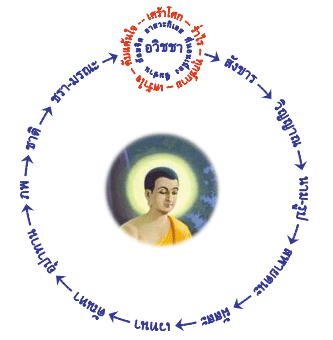
เธญเธฒเธชเธงเธฐเธ�เธดเน€เธฅเธชเน€เธ�เน�เธ�เธ�เธฑเธ�เธ�เธฑเธขเธฃเน�เธงเธกเธ�เธฑเธ�เธญเธงเธดเธ�เธ�เธฒ
เธ�เธฅเน�เธฒเธงเธ�เธทเธญ
เธ�เธงเธฒเธกเธ�เน�เธฒเธ—เธตเน�เธ�เธญเธ�เน€เธ�เธทเน�เธญเธ�เธญเธขเธนเน�เน�เธ•เน�เน�เธ�เธ�เธ”เน�เธงเธขเธ�เธดเน€เธฅเธช เธญเธฑเธ�เธ�เธทเธญเธญเธฒเธชเธงเธฐเธ�เธดเน€เธฅเธช เน€เธ�เน�เธ�เน€เธซเธ•เธธเธ�เธฑเธ�เธ�เธฑเธขเธฃเน�เธงเธกเธ�เธฑเธ� เธญเธงเธดเธ�เธ�เธฒ
เน€เธ�เธทเน�เธญเธ�เธ�เธฒเธ�เธ�เธฃเธฐเธ�เธงเธ�เธ�เธฃเธฃเธกเธ�เธ�เธดเธ�เธ�เธชเธกเธธเธ�เธ�เธฒเธ—เธ�เธตเน� เน€เธ�เน�เธ�เธงเธ�เธ�เธฃเธ—เธตเน�เธซเธกเธธเธ�เน€เธงเธตเธขเธ�เน�เธ�เธ�เน€เธ�เธดเธ”เน�เธ”เธฑเธ�เน�เธญเธขเธนเน�เธ•เธฅเธญเธ”เน€เธงเธฅเธฒ เธ�เธฃเธดเธ�เน�เธ�เธถเธ�เน�เธกเน�เธกเธตเธ�เธธเธ”เน€เธฃเธดเน�เธกเธ•เน�เธ�เธซเธฃเธทเธญเธ�เธธเธ”เธชเธธเธ”เธ—เน�เธฒเธข เธชเธฒเธกเธฒเธฃเธ–เน€เธ�เธดเธ”เน�เธ•เน�เน€เธซเธ•เธธเธ�เธฑเธ�เธ�เธฑเธขเน�เธ”เน�เน�เธ�เธงเธ�เธ�เธฃเธ�เน�เน�เธ”เน� เน�เธ•เน� เธ“ เธ—เธตเน�เธ�เธตเน�เธ�เธนเน�เน€เธ�เธตเธขเธ�เธ�เธฐเธ�เธญเน€เธฃเธดเน�เธกเธ—เธตเน�เธ�เธงเธฒเธกเธ�เน�เธฒเธ—เธตเน�เธซเธกเธฑเธ�เธซเธกเธกเธ�เธญเธ�เน€เธ�เธทเน�เธญเธ�เธญเธขเธนเน�เน�เธ�เธ�เธดเธ•(เธญเธฒเธชเธงเธฐเธ�เธดเน€เธฅเธช) เธชเธดเน�เธ�เธ—เธตเน�เธ�เธฐเธ�เธถเธกเธ�เธฒเธ�เธ�เธถเน�เธ�เธกเธฒ เธขเน�เธญเธกเธ�เธดเธ•เน�เธซเน�เธ�เธธเน�เธ�เธกเธฑเธงเน€เธจเธฃเน�เธฒเธซเธกเธญเธ�เน€เธกเธทเน�เธญเธ�เธฃเธฐเธชเธ�เธซเธฃเธทเธญเธ�เธฃเธฐเธ—เธ�เธ�เธฑเธ�เธญเธฒเธฃเธกเธ“เน� เธ�เธถเธ�เธกเธดเน�เธ”เน�เธซเธกเธฒเธขเธ�เธงเธฒเธกเธ–เธถเธ�เธ�เธดเธ•เธ—เธตเน�เธ�เธธเน�เธ�เธกเธฑเธงเน€เธจเธฃเน�เธฒเน€เธ�เธฃเธฒเธฐเธญเธฒเธฃเธกเธ“เน�เน€เธชเธตเธขเน�เธ�เธ�เธงเธฒเธกเธซเธกเธฒเธขเน�เธ�เธ—เธฒเธ�เน�เธฅเธ�เน�เน�เธ•เน�เธญเธขเน�เธฒเธ�เน€เธ”เธตเธขเธง เน�เธ•เน�เธซเธกเธฒเธขเธ–เธถเธ�เธ�เธงเธฒเธกเน�เธกเน�เธ�เธฃเธดเธชเธธเธ—เธ�เธดเน�เธซเธกเธ”เธ�เธ”เธซเธฃเธทเธญเธ�เธดเน€เธฅเธชเธชเธดเน�เธ�เธ�เธธเน�เธ�เธกเธฑเธงเธญเธฑเธ�เธกเธตเธญเธขเธนเน� เน�เธ•เน�เธญเธขเธนเน�เธญเธขเน�เธฒเธ�เธ�เน�เธญเธ�เน€เธฃเน�เธ�เธญเธขเธนเน�เน�เธ�เธ�เธดเธ•เธซเธฃเธทเธญเธ�เธดเธ•เน�เธ•เน�เธชเน�เธฒเธ�เธถเธ� เธ�เธถเน�เธ�เธ–เน�เธฒเน�เธกเน�เธจเธถเธ�เธฉเธฒเน�เธ”เธขเธ�เธฒเธฃเน�เธขเธ�เธดเน�เธชเธกเธ�เธชเธดเธ�เธฒเธฃเธญเธขเน�เธฒเธ�เธฅเธฐเน€เธญเธตเธขเธ”เน�เธฅเธฐเน�เธขเธ�เธ�เธฒเธขเธ�เน�เธ�เธฐเธกเธญเธ�เน�เธกเน�เน€เธซเน�เธ� เธญเธฑเธ�เธ�เธฐเน€เธ�เน�เธ�เน€เธซเธ•เธธเธ�เน�เธญเน�เธซเน�เน€เธ�เธดเธ”เธ�เธงเธฒเธกเธ�เธธเน�เธ�เธกเธฑเธง เธซเธ�เธธเธ”เธซเธ�เธดเธ” เธ�เธธเน�เธ�เธ�เน�เธฒเธ� เน€เธ�เน�เธ�เธ—เธธเธ�เธ�เน�เธ•เน�เธฒเธ�เน�เธ�เธฒเน�เธ�เธถเน�เธ�เน�เธ�เธ เธฒเธขเธซเธ�เน�เธฒ เธ�เธฅเน�เธฒเธงเธ�เธทเธญเน€เธ�เน�เธ�เธชเธฑเธ�เธ�เธฒเธ�เธงเธฒเธกเธ�เน�เธฒเธ�เธ�เธดเธ”เธซเธ�เธถเน�เธ�เธ—เธตเน�เธกเธตเธ�เธดเน€เธฅเธชเธซเธฃเธทเธญเธชเธดเน�เธ�เธ—เธตเน�เธ—เธณเน�เธซเน�เธ�เธดเธ•เธ�เธธเน�เธ�เธกเธฑเธงเน�เธญเธ�เน�เธ�เธ�เธญเธขเธนเน� เธซเธฃเธทเธญเธ�เน�เธ�เธทเธญเธญเธฒเธชเธงเธฐเธ�เธดเน€เธฅเธชเธญเธฑเธ�เธกเธต เน�เธชเธ�เธฐ เธ�เธฃเธดเน€เธ—เธงเธฐ เธ—เธธเธ�เธ�เน� เน�เธ—เธกเธ�เธฑเธช เธญเธธเธ�เธฒเธขเธฒเธช เน�เธ�เธ�เธ�เธดเธ�เธ�เธชเธกเธธเธ�เธ�เธฒเธ—เธ�เธฑเน�เธ�เน€เธญเธ� เน€เธฃเธฒเธ�เธฐเธ�เธฅเน�เธฒเธงเธงเน�เธฒเน€เธ�เน�เธ�เธ�เธงเธฒเธกเธ�เน�เธฒ(เธชเธฑเธ�เธ�เธฒ)เธญเธขเน�เธฒเธ�เธซเธ�เธถเน�เธ�เธ�เน�เธขเน�เธญเธกเน�เธ”เน� เน�เธ•เน�เน€เธ�เธฒเธฐเธ�เธ�เธฅเธ�เน�เธ�เธงเน�เธฒ เน€เธ�เน�เธ�เธ�เธงเธฒเธกเธ�เน�เธฒเน�เธ�เธ�เธ�เธดเน€เธฅเธชเธ—เธตเน�เน�เธญเธ�เธ�เน�เธญเธ�เธญเธขเธนเน�เน�เธ�เธ�เธดเธ•เธ”เน�เธงเธข เธซเธฃเธทเธญเธ—เธตเน�เน€เธฃเธตเธขเธ�เธ�เธฑเธ�เน�เธ�เธ—เธธเธ�เธงเธฑเธ�เธ�เธตเน�เธงเน�เธฒเธ�เธดเธ•เน�เธ•เน�เธชเน�เธฒเธ�เธถเธ� เน€เธ�เน�เธ�เธ�เธงเธฒเธกเธ�เน�เธฒเธ�เธฒเธ�เธญเธขเน�เธฒเธ� เน€เธฃเธทเน�เธญเธ�เธ�เธฒเธ�เธญเธขเน�เธฒเธ� เน�เธ”เธขเธ—เธฑเน�เธงเน�เธ�เธ�เธถเธ�เน�เธกเน�เธญเธญเธ� เธ�เน�เธฒเน�เธกเน�เน�เธ”เน� เน�เธ•เน�เน€เธกเธทเน�เธญเธกเธตเธชเธดเน�เธ�เธซเธ�เธถเน�เธ�เธชเธดเน�เธ�เน�เธ”เธกเธฒเธ�เธฃเธฐเธ•เธธเน�เธ�เธซเธฃเธทเธญเน€เธฃเน�เธฒเธซเธฃเธทเธญเธ�เธฃเธฐเธ—เธ�เธชเธฑเธกเธ�เธฑเธช เธ�เธถเธ�เธ�เธ”เธ�เน�เธฒเธ�เธถเน�เธ�เธกเธฒเน�เธ”เน� เน�เธฅเธฐเธ�เธฒเธ�เธ�เธฃเธฑเน�เธ�เธ�เน�เธ�เธธเธ”เธ�เธถเน�เธ�เธกเธฒเน€เธญเธ�เธญเธฑเธ�เธกเธดเธชเธฒเธกเธฒเธฃเธ–เธ�เธงเธ�เธ�เธธเธกเธ�เธฑเธ�เธ�เธฑเธ�เน�เธ”เน�เธญเธขเน�เธฒเธ�เน�เธ—เน�เธ�เธฃเธดเธ�เน€เธ�เธฃเธฒเธฐเน€เธ�เน�เธ�เธ�เธงเธฒเธกเธ�เธณเน�เธ”เน�เธญเธฑเธ�เน€เธ�เน�เธ�เธ�เธฃเธฃเธฃเธกเธ�เธฒเธ•เธดเน�เธ�เธ�เธฒเธฃเธขเธฑเธ�เธ�เธตเธงเธดเธ•เธญเธขเน�เธฒเธ�เธซเธ�เธถเน�เธ� เธ�เธงเธฒเธกเธ—เธฃเธ�เธ�เน�เธฒเธ�เธ�เธดเธ”เธญเธฒเธชเธงเธฐเธ�เธดเน€เธฅเธชเธ�เธตเน�เธกเธดเน�เธ”เน�เธ�เธฃเธญเธ�เธ�เธฅเธธเธกเน�เธ•เน�เน€เธ�เธ�เธฒเธฐเธ�เธงเธฒเธกเธ—เธธเธ�เธ�เน�เธ—เธตเน�เน€เธ�เธขเน€เธ�เธดเธ”เน€เธ�เธขเน€เธ�เน�เธ�เน€เธ—เน�เธฒเธ�เธฑเน�เธ�เธ—เธตเน�เธ�เธฐเธ—เน�เธฒเน�เธซเน�เธ�เธดเธ•เธ�เธธเน�เธ�เธกเธฑเธง,เน€เธจเธฃเน�เธฒเธซเธกเธญเธ� เน�เธ•เน�เธขเธฑเธ�เธซเธกเธฒเธขเธฃเธงเธกเธ–เธถเธ�เธ�เธงเธฒเธกเธ�เน�เธฒเน�เธ”เน�เธ—เธตเน�เน€เธ�เธดเธ”เธ�เธฒเธ�เธ�เธงเธฒเธกเธชเธธเธ�เน�เธ�เธ—เธฒเธ�เน�เธฅเธ�เน�เธญเธตเธ�เธ”เน�เธงเธข เน€เธ�เธฃเธฒเธฐเธ�เธงเธฒเธกเธชเธธเธ�เธ—เธตเน�เน€เธ�เธดเธ”เน�เธ�เธ�เธ—เธฒเธ�เน�เธฅเธ�เน�เธ�เธฑเน�เธ�เธ�เธฃเธดเธ�เน�เน�เธฅเน�เธงเธ�เน�เธ�เธทเธญเธ—เธธเธ�เธ�เน�เธญเธขเน�เธฒเธ�เธซเธ�เธถเน�เธ�เธ�เธฑเน�เธ�เน€เธญเธ� เน€เธ�เธตเธขเธ�เน�เธ•เน�เธงเน�เธฒเน€เธ�เธดเธ”เธ�เธถเน�เธ�เน�เธฅเธฐเน€เธ�เน�เธ�เน�เธ�เธญเธขเน�เธฒเธ�เธฅเธฐเน€เธญเธตเธขเธ”เธฅเธฐเน€เธกเธตเธขเธ”เธฅเธฐเน�เธก เธ�เธ�เน€เธ�เธดเธ”เธกเธฒเธขเธฒเธ�เธญเธ�เธ�เธดเธ•เธงเน�เธฒเน�เธกเน�เน�เธ�เน�เธ�เธงเธฒเธกเธ—เธธเธ�เธ�เน�เธ�เธฑเน�เธ�เน€เธญเธ� เน€เธซเธ•เธธเน€เธ�เธฃเธฒเธฐเธ�เธฑเธ�เธ—เน�เธฒเน�เธซเน�เน€เธ�เธดเธ”เธ�เธงเธฒเธกเน�เธชเธ�เธฐ เธ�เธทเธญเธญเธฒเธ�เธฒเธฃเน€เธจเธฃเน�เธฒเน�เธจเธ�เธ�เธฒเธ�เธ�เธฒเธฃเน€เธชเธทเน�เธญเธกเธซเธฃเธทเธญเธชเธนเธ�เน€เธชเธตเธขเน�เธ�เธชเธธเธ�เธ�เธฑเน�เธ�เน� เน�เธฅเธฐเธญเธฒเธ�เธฒเธฃเธ�เธฃเธดเน€เธ—เธงเธฐ เธ�เธทเธญเธ�เธฒเธฃเน�เธซเธขเธซเธฒ เธ�เธฒเธฃเธญเธฒเธฅเธฑเธข เธ”เน�เธงเธขเธ�เธณเธ�เธถเธ�เธ–เธถเธ� เธ”เน�เธงเธขเธ�เธดเธ”เธ–เธถเธ�เน�เธ�เธ�เธงเธฒเธกเธชเธธเธ�เธ�เธฑเน�เธ�เน�, เธญเธฑเธ�เธฅเน�เธงเธ�เน€เธ�เน�เธ�เน€เธ�เธทเน�เธญเน�เธ�เธ—เธตเน�เธขเน�เธญเธกเธขเธฑเธ�เน�เธซเน�เน€เธ�เธดเธ”เธ�เธฒเธฃเธฅเธธเธ�เน�เธซเธกเน�เน€เธ�เธฒเธฅเธ�เธ�เธฃเธฐเธงเธ�เธ�เธฃเธฐเธงเธฒเธขเธ•เน�เธญเน�เธ�เน�เธ�เธ�เธฒเธฅเธ�เน�เธฒเธ�เธซเธ�เน�เธฒ เธญเธธเธ�เธกเธฒเน€เธซเธกเธทเธญเธ�เธ”เธฑเน�เธ�เธ�เธทเธ�เน€เธ�เธขเน�เธ� เธญเธฑเธ�เธ•เน�เธญเธ�เธ�เน�เธญเน�เธซเน�เน€เธ�เธดเธ”เธ—เธธเธ�เธ�เน�เน�เธ�เธ เธฒเธขเธซเธ�เน�เธฒเน€เธกเธทเน�เธญเธ�เธธเธ”เธ�เธถเน�เธ�เธกเธฒเน�เธ”เธขเน�เธกเน�เธฃเธนเน�เธ•เธฑเธงเธญเธตเธ�เธญเธขเน�เธฒเธ�เน�เธ�เน�เธ�เธญเธ� ! (เธฃเธฒเธขเธฅเธฐเน€เธญเธตเธขเธ”เธญเธขเธนเน�เน�เธ�เธ เธฒเธ�เธ�เธขเธฒเธข)
เน€เธกเธทเน�เธญเธกเธตเธ�เธดเธ•เธ—เธตเน�เธ�เธธเน�เธ�เธกเธฑเธงเน€เธจเธฃเน�เธฒเธซเธกเธญเธ� เน�เธฅเธฐเธขเธฑเธ�เน�เธกเน�เธกเธตเธงเธดเธ�เธ�เธฒเธซเธฃเธทเธญเน�เธกเน�เธกเธตเธ�เธงเธฒเธกเธฃเธนเน�เธ�เธงเธฒเธกเน€เธ�เน�เธฒเน�เธ�เน�เธ�เน€เธฃเธทเน�เธญเธ�เธ—เธธเธ�เธ�เน�เน�เธฅเธฐเธงเธดเธ�เธตเธ�เธ�เธดเธ�เธฑเธ•เธดเน€เธ�เธทเน�เธญเธ�เธฒเธฃเธ”เธฑเธ�เน�เธ�เน�เธซเน�เธ�เธ—เธธเธ�เธ�เน�เธ•เธฒเธกเธ�เธงเธฒเธกเน€เธ�เน�เธ�เธ�เธฃเธดเธ� เธ�เธฅเน�เธฒเธงเธ�เธทเธญเน�เธกเน�เธกเธตเธงเธดเธ�เธ�เธฒ เธ�เธทเธญเน�เธกเน�เธฃเธนเน�เธ�เธฃเธฃเธกเธ�เธญเธ�เธ�เธฃเธฐเธญเธ�เธ�เน�เธ—เน�เธฒเธ� เธซเธฃเธทเธญเธ�เธฃเธฃเธกเธ�เธฒเธ•เธดเธ�เธญเธ�เธ—เธธเธ�เธ�เน�เธ•เธฒเธกเธ�เธงเธฒเธกเน€เธ�เน�เธ�เธ�เธฃเธดเธ�เธ�เธฑเน�เธ�เน€เธญเธ� เธ—เธตเน�เธ—เน�เธฒเน�เธซเน�เน€เธ�เธดเธ”เธ—เธธเธ�เธ�เน�เน�เธฅเธฐเธ”เธฑเธ�เธ—เธธเธ�เธ�เน�, เธซเธฃเธทเธญเธขเธฑเธ�เธกเธตเธญเธงเธดเธ�เธ�เธฒ เธญเธฑเธ�เธ�เธทเธญเน�เธกเน�เธฃเธนเน� เธญเธฃเธดเธขเธฐเธชเธฑเธ�เน”เน�เธฅเธฐเธ�เธ�เธดเธ�เธ�เธชเธกเธธเธ�เธ�เธฒเธ—เน�เธ�เธ�เธฒเธฃเธ”เธฑเธ�เธ—เธธเธ�เธ�เน� เธ�เธถเธ�เน€เธ�เน�เธ�เน€เธซเธ•เธธเน�เธซเน�เธงเธ�เธ�เธฃเธ�เธญเธ�เธ—เธธเธ�เธ�เน�เธกเธตเน�เธฃเธ�เธ�เธฑเธ�เธ”เธฑเธ�เน�เธซเน�เธ”เน�เธฒเน€เธ�เธดเธ�เน€เธ�เธฅเธทเน�เธญเธ�เธซเธกเธธเธ�เธ•เน�เธญเน�เธ�เน�เธกเน�เธ�เธ�เธชเธดเน�เธ�.......
The
law of
dependent origination
or Paticca-samuppda in brief
Mental
intoxication is
a condition of
the un โ€“ knowing.
We can
infer that our
constant Memory lurks
with mental defilements
(asava โ€“ kilesa) , causes and
conditions of
un-knowing (avijja) , since the process of
the law of dependent origination
is an
off - on circuit all the
time. There is no beginning and no end.
The mental defilements arise at any condition within the circuit. At
this juncture, the
writer begins
with latent memories
since the
mental defilements
(assava โ€“ kilesa) permeate
and cloud the minds and also
impact the
sense โ€“ objects. It
does not mean that
there are
certain defilements
lurking somewhere
inside the minds
or the
sub-conscious mentality. If
this is not tactfully reckoned
up with critical
reflection (yoniso โ€“ manasikara)
in full details, we may not
be able
to comprehend Dhamma
and this misunderstanding leads to
certain confusion,
jittery mind
and chaos . This
in turn
is a kind of
dukkha (distress)
arising in
the future and is
a perception (sanna)
with defilements or clouded
minds on
the lurk . They are called
mental defilements
(assava โ€“ kilesa) with
sorrowfulness and lamentations
within the
law of
dependent origination
process. We
can assert that
this perception (sanna)
is actually or
specifically a kind
of memories
lurking behind the minds
or sub-conscious mentality.
We may have forgotten the events
, but there is a
process which rouses or awakes our mentality or mental impression so
that we can recollect our memory. Sometimes it arises uncontrollably since this
memory is natural for all living persons. The mental defilements (assava-kilesa)
do not only cover distress which is prevalent but also includes memories based
on worldly pleasures or worldly distress. It is tactful, delicate defilements
forming mental illusion (maya) which is in itself a kind of dukkha since it
involves sorrow (soka) or lamentation, loss of worldly happiness (Pari-deva)
which hankers for and also regrets over it. This
ever-burning flame arouses the mentality arising in the future. We can compare
it to a hot coal which all the time keep burning unknowingly. (Details in the
index)
When the Mind is sorrowful and there
be no Transcendental Wisdom or a true understanding of dukkha (distress) and
the real way to extinguish it or not to know it correctly. The Lord Buddha is
teaching on dukkha. This ignorance (avijja) or un-knowing of the 4 Noble Truths
and the law of dependent origination causes us to be constantly in the whirlpool
of distress.
เธ�เธฒเธฃเน€เธ�เธดเธ”เธ�เธถเน�เธ�เธ�เธญเธ�เธ—เธธเธ�เธ�เน� เธ�เธถเธ�เธ”เธณเน€เธ�เธดเธ�เน�เธ�เธ”เธฑเธ�เธ�เธตเน�
เธญเธงเธดเธ�เธ�เธฒเน€เธ�เน�เธ�เธ�เธฑเธ�เธ�เธฑเธข เธ�เธถเธ�เธกเธตเธชเธฑเธ�เธ�เธฒเธฃ
เธ�เธฅเน�เธฒเธงเธ�เธทเธญ
เน€เธ�เธฃเธฒเธฐเธญเธงเธดเธ�เธ�เธฒเธฃเน�เธงเธกเธ”เน�เธงเธขเธญเธฒเธชเธงเธฐเธ�เธดเน€เธฅเธชเธ—เธตเน�เธ�เธญเธ�เน€เธ�เธทเน�เธญเธ� เธ”เธฑเธ�เธ—เธตเน�เธ�เธฅเน�เธฒเธงเธ�เน�เธฒเธ�เธ•เน�เธ�
เน€เธ�เน�เธ�เธ�เธฑเธ�เธ�เธฑเธข เธ—เธณเน�เธซเน�เน€เธ�เธดเธ”
เธชเธฑเธ�เธ�เธฒเธฃ เธญเธฑเธ�เธ�เธทเธญเธชเธดเน�เธ�เธ�เธฃเธธเธ�เน�เธ•เน�เธ�เธ—เธฒเธ�เน�เธ�เน�เธซเน�เน€เธ�เธดเธ”เธ�เธฒเธฃเธ�เธฃเธฐเธ—เน�เธฒเธ•เน�เธฒเธ�เน�เธ�เธฒเน�เธ—เธฒเธ�เธ�เธฒเธข เธ—เธฒเธ�เธงเธฒเธ�เธฒ เธ—เธฒเธ�เน�เธ�
เธ•เธฒเธกเธ—เธตเน�เน�เธ”เน�เธชเธฑเน�เธ�เธชเธก เธญเธ�เธฃเธก เธ�เธฃเธฐเธ�เธคเธ•เธด เธ�เธ�เธดเธ�เธฑเธ•เธด เธกเธฒเน�เธ•เน�เธญเธ”เธตเธ• เธ—เธตเน�เธขเน�เธญเธกเน�เธ�เธ�เธ�เธดเน€เธฅเธชเธ�เธฒเธ�เธญเธฒเธชเธงเธฐเธ�เธดเน€เธฅเธช
เธ”เน�เธงเธขเธญเธงเธดเธ�เธ�เธฒเธ�เธงเธฒเธกเน�เธกเน�เธฃเธนเน�เน�เธฅเธฐเน�เธกเน�เน€เธ�เน�เธฒเน�เธ�เน�เธ�เธ�เธฃเธฃเธก เธ�เธถเธ�เน€เธ�เน�เธ�เน€เธซเธ•เธธเธ�เธฑเธ�เธ�เธฑเธขเธฃเน�เธงเธกเธ�เธฑเธ�เธญเธฒเธชเธงเธฐเธ�เธดเน€เธฅเธชเธ�เธงเธฒเธกเธ�เธณเธ—เธตเน�เธ�เธญเธ�เน€เธ�เธทเน�เธญเธ�เธญเธขเธนเน�เน�เธ�เธ�เธดเธ•เธ—เธตเน�เน€เธกเธทเน�เธญเธ�เธฃเธฐเธ—เธ�เธ�เธฑเธ�เธญเธฒเธฃเธกเธ“เน� เธซเธฃเธทเธญเธ�เธธเธ”เธ�เธถเน�เธ�เธกเธฒเน€เธญเธ�เธ•เธฒเธกเธ�เธฃเธฃเธกเธ�เธญเธ�เธ�เธตเธงเธดเธ•(เธ�เธฃเธฃเธกเธ�เธฒเธ•เธด)เธญเธขเน�เธฒเธ�เธซเธ�เธถเน�เธ�เธ�เน�เธ•เธฒเธกเธ—เธต เธ�เธถเธ�เน€เธ�เน�เธ�เน€เธซเธ•เธธเธ�เธฑเธ�เธ�เธฑเธขเน�เธซเน�เน€เธ�เธดเธ”เธชเธฑเธ�เธ�เธฒเธฃเธ—เธตเน�เธซเธกเธฒเธขเธ–เธถเธ�เธ�เธฒเธฃเธ�เธฃเธฐเธ—เน�เธฒเธ•เน�เธฒเธ�เน�เธ—เธฑเน�เธ�เธ—เธฒเธ�เธ�เธฒเธข เธ—เธฒเธ�เธงเธฒเธ�เธฒ เธ—เธฒเธ�เน�เธ� เธ•เธฒเธกเธ�เธงเธฒเธกเน€เธ�เธขเธ�เธดเธ�เธ—เธตเน�เธขเน�เธญเธกเน�เธ�เธ�เธ�เธดเน€เธฅเธชเธ•เธฒเธกเธ—เธตเน�เน�เธ”เน�เธชเธฑเน�เธ�เธชเธก เธญเธ�เธฃเธก เธ�เธฃเธฐเธ�เธคเธ•เธด เน€เธ�เธขเธ�เธฃเธฐเธ—เน�เธฒเน�เธงเน�(เธญเธฒเธชเธงเธฐเธ�เธดเน€เธฅเธช) เธ�เธถเน�เธ�เน€เธ�เธดเธ”เธ�เธถเน�เธ�เน€เธ�เน�เธ�เน�เธ�เธ—เธฑเน�เธ�เน�เธ”เธขเธฃเธนเน�เธ•เธฑเธงเน�เธฅเธฐเน�เธกเน�เธฃเธนเน�เธ•เธฑเธง เธ”เธฑเธ�เน€เธ�เน�เธ� เธ�เธฒเธฃเธ�เธฃเธฐเธ�เธคเธ•เธด เธ�เธฒเธฃเธ�เธ�เธดเธ�เธฑเธ•เธด เธ�เธฒเธฃเธ�เธฃเธฐเธ—เธณ เธ�เธงเธฒเธกเน€เธ�เธทเน�เธญ เธ�เธงเธฒเธกเธ�เธดเธ”เธ•เน�เธฒเธ�เน� เธ�เธธเธ�เธ�เธฅเธดเธ�เธ•เน�เธฒเธ�เน� เธญเธฑเธ�เธ�เธฑเธ�เธฅเน�เธงเธ�เน€เธ�เน�เธ�เธ�เธฒเธฃเธ�เธฃเธฐเธ—เธณเธ—เธตเน�เน�เธ�เธ�เธ�เธดเน€เธฅเธชเธ•เธฒเธกเธ—เธตเน�เน�เธ”เน�เธ�เธฃเธฐเธ—เน�เธฒเธชเธฑเน�เธ�เธชเธกเน�เธงเน�เธ�เธฑเน�เธ�เน€เธญเธ�(เธญเธฒเธชเธงเธฐเธ�เธดเน€เธฅเธช) เธญเธฑเธ�เน€เธ�เน�เธ�เธชเธ เธฒเธงเธ�เธฃเธฃเธก(เธ�เธฃเธฃเธกเธ�เธฒเธ•เธด)เธ�เธญเธ�เธ�เธตเธงเธดเธ•เธญเธฑเธ�เธขเธดเน�เธ�เน�เธซเธ�เน�เธ�เธฃเธฐเธ�เธฒเธฃเธซเธ�เธถเน�เธ�, เธชเธฑเธ�เธ�เธฒเธฃเธ—เธตเน�เน€เธ�เธดเธ”เน�เธ�เธ�เธ�เธดเธ�เธ�เธชเธกเธธเธ�เธ�เธฒเธ—เธ�เธฃเธฃเธกเธ�เธตเน� เธ�เธถเธ�เธซเธกเธฒเธขเน€เธ�เธ�เธฒเธฐเธชเธฑเธ�เธ�เธฒเธฃเธ—เธตเน�เธ�เธฐเธ�เน�เธญเน�เธซเน�เน€เธ�เธดเธ”เธ—เธธเธ�เธ�เน�เธ�เธถเน�เธ� เน€เธ�เธฃเธฒเธฐเธ�เธงเธฒเธกเธ—เธตเน�เน�เธ�เธ�เธ�เธดเน€เธฅเธชเธกเธฒเน�เธ•เน�เธญเธฒเธชเธงเธฐเธ�เธดเน€เธฅเธชเธ�เธฑเน�เธ�เน€เธญเธ� เธชเธฑเธ�เธ�เธฒเธฃเน€เธซเธฅเน�เธฒเธ�เธตเน�เธ�เธถเธ�เน€เธ�เน�เธ�เธชเธฑเธ�เธ�เธฒเธฃเธ�เธดเน€เธฅเธชเธญเธขเธนเน�เน�เธ�เธ—เธต, เน€เธกเธทเน�เธญเน€เธ�เธดเธ”เธชเธฑเธ�เธ�เธฒเธฃเธญเธฑเธ�เธ�เธฃเธฐเธ�เธญเธ�เธ”เน�เธงเธขเธ�เธดเน€เธฅเธชเธญเธขเธนเน�เน�เธ�เธ—เธตเธ�เธถเน�เธ�เน�เธฅเน�เธง เธ�เธถเธ�เน€เธ�เน�เธ�เน€เธซเธ•เธธเธ�เธฑเธ�เธ�เธฑเธขเธ�เธฑเธ�เน€เธ�เธฅเธทเน�เธญเธ�เน�เธซเน�เธ”เธณเน€เธ�เธดเธ�เน�เธ�เธ•เธฒเธกเธ�เธฃเธฐเธ�เธงเธ�เธ�เธฃเธฃเธกเธ•เน�เธญเน�เธ� เธ”เธฑเธ�เธ�เธตเน�
เน�เธชเธ”เธ�เน€เธซเธ•เธธเธ�เธฑเธ�เธ�เธฑเธขเธ�เธตเน�เน�เธ”เธขเธฅเธฐเน€เธญเธตเธขเธ”
The Arising of The Distress is classified
thus:-
Un-knowing (avijja-เธญเธงเธดเธ�เธ�เธฒ)
has the compounded things (sangkhara-เธชเธฑเธ�เธ�เธฒเธฃ) as follows:-
Un-knowing (avijja)
and latent canker (assava-kilesa-เธญเธฒเธชเธงเธฐเธ�เธดเน€เธฅเธช) as mentioned
above are the conditions which cause compounded things (sangkara)
in the body, mind, and speech as accumulated, trained and carried out from the
past. This has been latent defilements
(assava-kilesa), and latent memories in contact with
sense-objects (arammana). It arises unknowingly based
on the law of nature ( Dhammachat), a causal condition to create compounded
things in the body, mind, and speech which lurk defilements (kilesa-เธ�เธดเน€เธฅเธช)
as accumulated, trained and carried out from mental intoxication (assava-kilesa)
arising unknowingly and knowingly. We call it a Great Law of Nature (Dhammachat).
Compounded things arising from this law of dependent origination (paticca-sammupada)
means only compounded things which distress (suffering) arises due to latent
defilements (assava-kilesa). They lurk behind and finally be real defilements,
which become causes and conditions based upon the following processes:-
Causes and conditions
are shown in detail:-
Compounded things are the integrators
which lurk behind with defilements (assava-kilesa) and unknowing (avijja) which
cause act of consciousness and its functions. This is what practitioners may
be confused as to the term โ€�act of consciousnessโ€� (vinnana). Why does it arise?
Should this act of consciousness arise beforehand? Does it mean that this act
of consciousness has already arisen? Or does it arise with Mind and Matter (namarupa)
or mentality and corporeality? There are many questions which may make practioners
jittery and doubtful (vicikiccha). In reality the act of consciousness does
not hover upon or pass the body as a soul (atta) or rebirth-consciousness (patisandhi-vinnana)
which some of us understand or adhere to unknowingly. This act of consciousness
is what the Buddha expounds the process of distress being inter-related to the
mind and body through consciousness. He explains that it arises on an off-on
circuit which is impermanence of consciousness. It is understood that the six
consciousness is composed of eye-consciousness (cakkhu -vinnana), ear-consciousness
(sota-vinnana) and so on so forth; or having a thorough knowledge (Ru-jaeng)
of the Twelve Bases (ayatana) which are in contact. The nerve system contacts
the eyes, ears, nose, tongue, mind and body which function as a result of causing
compounded things. It also behooves a principle of nature (sabhava-dhamma).
The consciousness in the Five Aggregates
or the law of dependent origination is supra-mundave (lokkuttara) or ultimate
in nature (paramatha). We must understand the investigation of the Truth (Dhamma-vicaya),
a Right View (samma-ditthi) of the noble ones (ariya). Consciousness therefore
means things or factors that communicate with each other within the Five Aggregates
or the nerve system. This act of consciousness has in itself a specific name
according to the arising sense-bases ; that
is, those who are living have the
act of consciousness in contact with sense-bases (outer ayatana), and sense-objects
and mind-objects (inner ayatana) which are the principle of nature. What originates
is natural (dhamda) as the chapter Maha-Tanha-Sangkaya-Sutta discourse has said
that the causes and conditions of the act of consciousness can be shown as follows:-
Sense-objects and mind-objects (Ayatana)
+ sense-organs (inner ayatana)
Consciousness such as form+ eyes ->
eyes consciousness
Noise + ears -> consciousness
Mind-objects (dhamma-rammana) + heart
-> mind - consciousness
As for this
law of dependent origination the compounded things work or function like
sense-objects and mind-objects (outer ayatana) which are mind-objects (dhamma-rammana)
whereas the sense-organs or mind is for the living persons or those with aggregates.
Considering this we may be perplexed
or perturbed that why consciousness precedes compounded things. How do compounded
things arise? If one understand
Critical Reflexion in full details,
one can then comprehend the whole issue.
When consciousness arises to recognize
the compounded things which all the defilements as mentioned above, the mental
process with the arising of dukkha still functions. The function is according
to the following causes and conditions:-
Causes and conditions are shown in detail.
Consciousness is its causes and conditions
and consequently has name and form (mind-and-body),
or
Nerve-system is in contact with full
knowledge of sense-objects, conditions and causes creating name-form or mind
and matter (body) which means life in totality functioning on its own (due to
the causality of arising compounded things).
Name-form means the assembly of the
entities and name or mind means aggregates or life or concrete things. The name-form
in the law of dependent origination connotes abstract thing (nama-dhamma) which
means the functions of life system towards the above-mentioned arising compounded
things (sankara). It is in itself abstract things (nama-dhamma).
That
is to say the arising of
the act of consciousness (understanding
of the sense โ€“ object) which is
in contact is a nerve โ€“ system
in itself. It is the causes and conditions to
create full and complete entities
. When this writer wrote a piece
on Critical Reflexion (yoniso โ€“ manasikara),
I felt jittery on it since we
have name
and form
already. Why
should there be name and
form again ? When the writer
understands more and has investigated
deeper, then the functions are
more specific. When we use the term
โ€�Nameโ€�, we mean the functions
and do not mean
the corporeal name. Our entities
(form) are visible
only at the time of living
only, not living
permanently and unknowingly .
If we investigate
deeper into specific functioning
consciousness of
that has just
come into being
according to contacted environment;
for example ,
when we look
at a motor โ€“ car it has all
types of gadgets. We can call this
motor car a perfect one (compared metaphorically
to a person with a perfect name ) ready to
function . But this
motor โ€“ car may not go to
our desired destination if
there be no important force of consciousness
to achieve
it. Consequently
when the arising consciousness
does make the
name โ€“ form a perfect one it is
compared to a
perfect motor โ€“ car with
a driver who can go to our desired
destination . The Blessed One says
the consciousness is the causes
and conditions of the name
- form or the perfect
functioning of life system. When
name โ€“ form is together
and ready to function within
volitional activities, it
is the causes and
conditions for the following
processes :-
Causes
and conditions are shown in detail :-
Name โ€“ form
is causes and conditions,
and sense โ€“ bases arise,
or
Living
system functions due to complete
causes and conditions .
Consequently 6 feeling
systems or bases arise which are
called the six sense โ€“ spheres
arising and
ready for the action . These are
in contact with feeling organs and
sense โ€“ objects (arammana) This
is called the six sense โ€“ bases
(ayatana) or
6 sense โ€“ avenues who are ready
to function knowingly
. The sense - bases or
6 sense โ€“ avenues base
themselves on life system
and are ready to function due to :-
Eye โ€“ functioning with contact of form
Ear โ€“ functioning with contact of
sound
Nose โ€“ functioning with contact of odour
Tongue
functioning with contact of taste
Body
functioning with
bodily or physical or tangible
contact (photthabba)
Mind functioning with
contact of cognosible
object
Metaphorically and
concretely (rupa-dhamma) or
speaking in terms of personification (puggala
โ€“ dhitthana), we can compare the brake system of a
motor โ€“ car to a sense โ€“
organ (inner ayatana ) . When this
motor โ€“ car is parked at
a car โ€“ park , it is compared to a person whose
name โ€“ form is perfect, but he
or she has not
functioned fully since
there is no driver (consciousness or
vinnana). When
there is no driving the brake
system will not work at all,
but when there is a driver
or consciousness
(vinnana) to go to the desired
destination , the motor โ€“ car can
function fully . When you put
brake on the motor โ€“ car
it is
comparable to
sense โ€“ objects which are
applied to work. You can bring the
car to a stop through using a brake system.
The
sense โ€“ spheres in the law of dependent origination
are identical to the name โ€“ form
which is above โ€“ mentioned . They
are eyes, ears, nose,
tongue, body and mind
which are called the mental factor (nama โ€“ dhamma) or the six senses
which can operate to accomplish the work of the above compounded things (sankhara).
The senses โ€“ bases (inner ayatana) are
the same as eyes , ears,
nose tongue , body and mind ; they
are part of the body or
sense โ€“ avenue which connects with the outside
world.
The
causality is shown in detail.
The sense โ€“ spheres are the causality
of touch or contact.
Nerve and feeling
system for the arising contact is
a causality for the contact (phassa).
When
the body and its accessories
arise or operate
fully , understanding and
communication of the compounded things
concerning contact
and ideation or thoughts
certainly come into being. Accordingly
, full physical communication arises . The
Lord Buddha expounds on contact
(phassa) as follows :-
A
person who
depends on eyes and form
, eye โ€“ consciousness arises. Concurrence
of the
Triple Gem is a contact which
we can write in
terms of a more
simple equation of the Dhamma
(sankara โ€“ dhamma) so that
Critical Reflexion (Yoniso
โ€“ manasikara) can be
attained.
(Click
your mouse at the arrow
for more explanation).
Eyes. Form ->
eye โ€“ consciousness -> contact
Therefore the compounded things
for the law of dependent origination are the ideation or the mind โ€“ objects
of a certain type, but it is an
ideation arising from the perception
(sanna) which
clouds the mind
(assava โ€“ kilesa) . Dukkha (distress and vexation or suffering)
certainly arises . Therefore, full components of complete
physical communication arise too. A simple equation of dhamma is shown
as follows :-
Mind โ€“ object (sankara) + mind ->
mental consciousness or mind โ€“ consciousness element
-> contact or mind โ€“ object (sankara)
+ mind -> mind โ€“ consciousness ->
contact (phassa).
Besides compounded
things arising from mental defilements (assava โ€“ kilesa)
, the sense โ€“ organs or inner senses
should function to be in contact
with touch (phassa). All
impressions through eyes, ears ,
nose tongue ,body arise from eyes
, ears, nose , tongue , body and mind .
They do glide
along living pattern
to be in contact with things
of nature
since these things of ordinary or
common phenomenon arise from
natural processes. When
there is a contact , consciousness
then arises.
The contact of these
senses may or may not
have dukkha
(distress) , depending on us whether
we are bestowed with Transcendental
Wisdom or with unknowing
. We classify
the Dhamma Process on 5 aggregates
as follows :-
Form + eyes ->
consciousness -> contact
Sound + ears -> consciousness ->
contact
Odour + nose -> consciousness ->
contact
Impression or contact + body ->
consciousness -> contact
Causes and
conditions are shown
in detail.
------------------------
Impression or contact is the conditions
and creates vedanna (sensation),
Or
Concurrence of the
Dhamma is the
genuine or real contact,
Which causes
Feelings in all sense โ€“ objects (arammana)
of that particular contact.
When
contact is made with one another completely,
feelings (vedana) or feelings
concerning contact and memories
or latent
perception (assava โ€“ kilesa) cause
feelings of different
kinds of knowing . For example, to be pleased, to be
satisfied, to be in accord
with our wish
concerning happy physical
contact (sukha โ€“ vedana), to be
not pleased
or not satisfied , to be
not in accord with our wish concerning
sorrowful physical contact (dukkha
โ€“ vedana) ; or to have neither pain nor happiness or to have intermediate
feeling (adukkha โ€“ masukha) is quite natural, and
causes feelings of all
kinds arising from perception
(sanna) due to latent
contact . This perception
(sanna) arises from defilements
(assava โ€“ kilesa) and
sensations (or feelings)
and is a part of nature ,
and functions accordingly . It causes
and conditions us to suffer from
distress due to
the unknowing of nature (avijja).
It exists unknowingly
and unwittingly.
The
Dhamma process that arises
is due to
the following causes and
conditions :-
Compounded things (sankara) + mind ->
mind consciousness ->
contact (phassa) ->
perception (assava - kilesa)
-> happy, sorrowful or intermediate
sensations.
The writer will
describe in detail as follows
:-
Defilements and the unlearning
cause compounded things (sankara)
+ mind -> mind
consciousness contact -> perception
(assava โ€“ kilesa or defilements which
function or remember)
-> feelings or
sensations.
These
causes and conditions are
shown in detail.
-------------------------
Sensation
is the causes and conditions
in which craving arises,
or
Feelings
which arise from sensation
(arammana) or sense โ€“ objects or contact
are the causes and conditions
which
craving or no โ€“ craving arises from
the feelings.
What should be
kept in mind is the Critical
Reflexion (Yoniso โ€“ manasikara)
of the law of dependent
origination . It is one of the
natural processes or
the Dhamana
which is the sensations with
material gifts (amisa)
arising from compounded things
with defilements (assava
- kilesa),
and unknowing (avijja) which are
lurking there.
When
there is feeling
(vedana), it turns to be
desire (tanha) or
craving . One may
have desire or no-desire
for the
feeling . According to the law of
nature, the action
and reaction are like throwing a
ball to the wall. There is certainly
the ball flinging backward
according to the law
of nature or one may feel
exposed to the heat, one
feel the
strong reaction
immediately or right
away . One can say
that it is the principle of
nature arising on
every worldling
(putujanna) due to
the unknowing and unmindfulness
of the
causes and the
extinguishing of
distress . The Lord
Buddha also teaches us the
unknowing (avijja).
Since
the craving arises concurrently
with the
extinguishing of the distress
as shown in
the law of
gifts arising from compounded
things with defilements
(assava โ€“ kilesa) and
unknowing (avijja).
The causes and
conditions are shown in detail .
Craving is the causes which attachment
arises,
Or
Desire or
craving or no โ€“ desire or
no โ€“ craving in the feelings is
the conditions
For the desire for
arising craving or arising
desire for itself .
When
there is
desire for or against
something , the mind is stilled,
but it is
an abstract
term or feeling which is
not consummated . The
nature of the
mind (which is a natural
principle or distress in
itself) is constantly
roused and
creates a
display of an illusion so
that one
endeavours to be craving or
not craving . This is a
kind of prey to deceive mankind all the time. They
receive their gains as contentment
or happiness which is
lurking within the
force of craving
or desire .
The bodily or mental
or speech deeds unknowingly
desire to have
maximum returns or gains.
The
causes and conditions of
this are shown in detail.
Attachment is the conditions for state
of existence.
Desire or
grasping for oneโ€�s
derivative matter is conditions
to create a state of
existence or a living place
of mind or the mental decision at
that which
depends upon the attachment (clinging).
When
the desire with defilements
to do something for contentment
of the craving
arises, the state of existence
or the mental
existence, the living
place mind or the
mental force of attachment
naturally arises . It means that
mental condition or
mental existence at that
time or at that control is under
the force of clinging (attachment).
The mental condition or the mental decision at
that time arises. Generally what
is under control to be
the attachment with defilements
for oneโ€�s
happiness naturally arises.
Existence in
this law
of dependent
origination or supramundanely
speaking or in the
ultimate language of consciousness
means the
mental existence or the mental
condition at that
time which
can be classified into 3
arising things :-
1) The sphere dominated by
sensual pleasures (kama-bhava)
. The law of dependent
origination means mental
condition under the
control of attachment related
to sensual pleasures and
worldly or sensual conditions
which are mundane
pleasures in corporeality
, and sensual pleasures.
2) Sphere of
form (rupa โ€“ bhava) means
the mental condition with attachment
of an individual who
enters the absorption of the Fine
โ€“ Material Sphere dominating a single
unit of cognition (vithi โ€“ citta) . The conduct
of living is normal but
still is partly under the
absorption of the
Fine โ€“ Material Sphere or under
the mental condition of
desire for existence becoming
or mind โ€“ object.
3) The Formless-Sphere
(Arup โ€“ bhava) means
mental condition under
attachment of an individual
who enters the
formless โ€“sphere even though
mental conduct or
desire is not to have cognizable
object (Dhamma โ€“ romana) .
It
should be kept in mind that
when the existence
arises, the process of
future distress or the
sphere of Form and
the Formless โ€“ Sphere
may be happy in itself
since the attachment or clinging
is the causes and
conditions. We may be enjoying ourselves
unknowingly (Nanti)
which mean the
arising of the distress in
the future. At that
time, we
may be
very happy and
do not
feel remorseful.
This is due to
latent defilements
(assava โ€“ kilesa) without knowing
, which is a
principle of nature. We may
not feel
distressful at that time
but the dukkha
proliferates naturally with
defilements (assava โ€“ kilesa).
It
can be said
that the existence
which causes
happiness at that time is an
illusion which deceives worldlings
(puthu โ€“ janna-เธ�เธธเธ–เธธเธ�เธ�)
unwittingly and
unknowingly in the
future with ignorance (avijja).
Causes
and conditions are shown
in detail.
Existence is the
conditions which causes births
and rebirths (jati)
or arising,
Or
A mental
place or mental decision.
It therefore is a
preliminary condition of
the arising of defilements.
When
the mind reaches its
dwelling place
or its
decision agreed upon by the mental
current of
attachment, the things that
arise on the mind
is the influence dominated by
the arising existence at
the time. We can
compare the things concretely . For
example , humankind who
are born in Thai existence are touched
by Thai
influence naturally and
unwittingly. The eating habits and
culture, etc, are automatically
Thai until
that person
parts away. The mind is likewise of the same kind. What arises in the
mind โ€“ existence or the aggregates
accords with the force of
dominating existence at the time.
Ideas, thoughts, deeds are in
accordance with
the force
of existence
which is the
attachment as a
condition .
These arising
existences whether it be
happiness or dukkha
(distress) or
being born a Thai or a mother
or a son
are part and parcel of
the Sensual Pleasures (kama-bhava),
or an
existence related
to sensual or
worldly pleasures. There
are also
the existence
of corporeality (rupa โ€“ bhava)
and the formless existence (arupa
โ€“ bhava).
The aggregates or
any animate system
arising of
the sensation in the law
of dependent
origination have craving
-> attachment ->
existence arising interuptedly
(Look at the process below for the term โ€�birthโ€� given in full details
for consideration.
But
the aggregates or life system can arise from
sensations with material gains dominated by force of existence or attachment
(upadanna). The perceptions means
the arising with latent defilements
or contentment turning into
aggregates (sannapadanna โ€“ khanda)
creating dukkha. Therefore
the khanda of compounded things (sangkara โ€“ khanda)
arises from aggregates which are
called a living
process dominated by or
has a
tendency to be aggregates of attachment
(upadanna โ€“ sanghara โ€“ khanda) . This process
is as follows:- mind โ€“ object
(Dhamma โ€“ ramaya) + consciousness
-> mind (sense โ€“ bases) -> contact (phassa) -> sensation
+ craving -> attachment -> existence
-> birth or rebirth (jati) ->
aggregates of attachment in
order .
When
there are aggregates of attachment (clinging)
going along with arising
wishes or clinging) ,or the eradication of defilements
of craving
called perfunctorily
as happiness, the process would
still go on and on . The
aggregates of the
arising compounded things naturally
occur with decay or aging
unwittingly or
unknowingly.
In case this does not arise as one
wishes or according to oneโ€�s
attachment of craving,
distress and vexation
occur immediately. But
the whole thing is not eradicated
as yet. The
more one is attached to
compounded things, the more
burning one suffers according to
oneโ€�s own decay.
One can
compare this burning unknowingly
with ignorance or
unknowing (avijja)
The
causes and
conditions are shown
in detail.
---------------------------------------
Birth
is a condition
with decay
and death,
(jati and marana),
grief, lamentation, distress, sad
โ€“ mindedness, distress (assava โ€“
kilesa).
When
a thing or a phenomenon arises
from natural causes and
conditions or the thus โ€“ come (tathata),
there be impermanence,
despair and non-
self or
the Three Common Characteristics
which are the ultimate realities
(paraimattha). This distress , the
above mentioned
causes and conditions,
has now arisen
and is subject
to the
law of impermanence,
which constantly keeps
being unstable. The changing
and decay
as well as
the concocting of aging
(jara) are
according to
the force of
dominating existence
or attachment . Finally,
the despair functions on and on
in place of ultimate impermancence ,
proving that it
cannot be put
up with the
changing conditions or the
state of flux and
has to
pass away (marana). Due
to whatever
reason it can be
natural deviation
or annihilation or
facing death
by causal antecedent. The
egolessness manifests
itself or
arises by
means of
ultimate realities.
(Look
at the
term โ€�jaraโ€� (decay).
(Look at
term โ€�maranaโ€� (death).
Picture
showing 5 aggregates of attachment
on decay
which is
always changing
or compounded like a circuit
and is a burning
dukkha or
affliction and
vexation . This
arises from
aggregates of compounded
things in a
state of
nature (dham โ€“ majat)
which has
been shown above
. The aggregates
of compounded thing , jati
or birth
as mentioned above are
re โ€“ compounded to function
as a derivative
matter (upadaya โ€“ rupa) ,
creating 5 aggregates of attachment
to carry
on as shown
in decay
which is constantly fluctuating and turned
into a
long term dukkha.
Every
event we are
conscious has
a genealogy
in time,
but it
can also
be stated in terms of
temporal sequence.
To grasp its
organisation we can think
in terms
of mutual
and coincidental
dependence as well as in terms of
sequential causality,
craving -> attachment
-> existence -> desire
for aggregates + mind +
consciousness โ€“ mind -> aggregate
of sensations ->
defilements
5 aggregates
of attachment or
concocting decay aflame
or burning
with distress.
Aggregates
of compounded
things or
concocting dukkha
(distress) Ñ
aggregates of perception.
The
circuit shows
the burning
of the
5 aggregates of
attachment dominated
by attachment .
which
is altogether
an off โ€“ on
aggregate of attachment .
It is
said that
this is a burning distress. Look
at the circuit of
this law
of dependent origination
in detail. Check
the circuit
for consideration.
Do click .
When
there is
fluctuation and change or
a state of flux like
this for
a long
period , it depends
on the
force of arising
craving and
attachment or
an interruption of
the Dhamma
or other
things or
consciousness which is
finally put out
or faces
death in accordance
with the
Three Characteristics (tilakkhana).
This Dhamma
or all
these things
arising from
the defilements
due to
the compounded
things or
life system (which
is not put
out yet) has
to leave
an inscrutable
trace. Though
one can
not compare
it to
memory, the
latent result is
still there.
Mind can
remember affliction
and vexation
or happiness
arising from
the past
which is
a perception (sanna)
of the
principle of
nature in
all things
which can not
be left
out or
be committed to
memory. These can arise by
nature since it is
necessary for
living . The distress
or happiness that
has arisen
is committed to
memory in
our minds
or hearts
unwittingly but
latently. This can
arise in the
future . The Lord Buddha
calls this
perception (sanna) defilements
(assava โ€“ kilesa) composed
of grief
(soka), lamentation (pari
โ€“ deva) , distress (dukkha) , sad
โ€“ mindedness (dosa) , despair (upayasa) as
mentioned earlier in detail
on the law
of dependent
origination . It arises
due to
defilements (kilesa)
used as
a flame
burning easily like
a hot coal burning with
compounded things (sankara โ€“ kilesa)
arising from mental intoxication
. These
are the causes and
conditions arising from
avijja or un-knowing .
There is no
Transcendental Wisdom
or ultimate realities
(paramattha) of the Buddha who
can follow or
monitor these thoughts
or conducts.
The happiness arising
from the law
of dependent
origination is
according to the following
:- when craving for a certain object
arises, there is an attachment,
existence or a state of
becoming and birth .
One may be happy , but
decay โ€“ death, grief ,
lamentation, distress,
despair , sad โ€“ mindedness fluctuate
and extinguish happiness.
We keep
in latent
memory the
mental intoxication
whenever there is lamentation
or grief
for happiness
arisen from the Round
of Existence, there
are the causes and
conditions to
take part
in the circuit of
the law of dependent
origination time and again.
When one
can not respond
to this , it finally
fluctuates and
changes into
dukkha or
distress all the time. Accordingly,
one can say
happiness is a fine
dukkha or
distress (suffering) . One
can readily
say that
there is only
dukkha , and only
this dukkha
must be
eradicated.
The
burning dukkha
arises also
from decay though
one can have
this long โ€“ term
dukkha. This
can not be eradicated
in totality.
Happiness or ease
is likewise due to
latent ideation intoxicating the
minds waiting
for the chance
to arise by
un โ€“ knowing (avijja)
into the
Round of
Compounded Things
by avijja again
and again . This
can be according to the currents
of the causes
and conditions as
shown again in
the law
of dependent
origination . It can arise
eternally, or
it can
arise as long as
there be Transcendental
Wisdom as taught by
the Blessed One.
Whenever
mental intoxication
(assava - kilesa)
is the
causes and conditions
of the
un โ€“ knowing (avijja) , the
principle of nature, is
dominated by
not knowing in part
or in full the
ultimate realities . His
Transcendental Wisdom arises
if we
train and
practice correctly.
It can
not arise
naturally per se.
One has
to concoct and train
well . These concocted
compounded things
can be benevolent to extinguish
dukkha and
are very
necessary to arise and develop
the Noble Eightfold Path
(Chavetab โ€“ baddhamma) well.
When
un โ€“ knowing (avijja) exists
and is a
principle of
nature for
worldlingsglos (puthuj
โ€“ jana), causes and
conditions of defilements
(assava โ€“ kilesa) which
compounded things
(sankhara โ€“ kilesa) arise
. These are
the currents of
causes and
conditions which
evolve or
spin a time and again and
go on and on forever . This
circuit of dukkha
evolves unknowingly
forever causing
existence or
becoming jati
or births
and rebirths
creating the Wheel of Rebirths
or Rebirth Process full of
dukkha.
Accordingly ,
the Blessed One uttered
beautiful sentences which
shook and trembled the
entire sphere as
follows :-
โ€�This
is the
last life.
There is no more a
newer existence
or state of becoming.โ€�
This
arises only Here and Now
or at
this very
Moment . The
end of
existence and rebirth does not mean
or denote an arising or existence
at the time of His
pari โ€“ nibbhan (full nibbhan )
Glossary
The definitions are mainly applicable
only to this translation :-
Amisa :
Unwholesome, unskillful.
Anatta : not โ€“ self.
Anicca , Aniccata : Impermanent ;
Impermanence.
Ariya : Noble.
Arom (Thai) :
Mental object, preoccupation.
Asava : Canker.
Avijja : Ignorance,
nescience, un โ€“ knowing.
Ayatana : Sense base.
Buddha : One
who became perfectly awakened
through self - discovery
of Dhamma.
Cakkhu:
The eye; The eye as
a sense door .
Citta:
Mind
Dhamma :
Usually means mental object;
the fourth
foundation of mindfulness.
Dhamma : The liberation law
discovered and proclaimed
by the Lord Buddha.
Dosa:
Hate.
Dukkha:
Suffering or minor distress
Ekaggata : One โ€“pointedness of
mind.
Jara: Aging , decay.
Jati : Birth ; from
conception to parturition.
Kamma:
(Karma) Action.
Khandha:
Aggregate.
Lobha:
Greed or lust.
Magga : Path; The Truth of the Path.
Marana : Death.
Moha:
Delusion.
Nama : Mind, mentality.
Nama โ€“ rupa: name and form , mentality
and corporeality.
Nibbana : The extinction of suffering.
Nirodha:
Ceasing, cessation.
Nivarana:
Hindrances, Nibhan, Nibbana, Niravan.
Nana :
Knowledge.
Pali : The
ancient Indian language in which the suttas were written down.
Panca โ€“khandha: The
five aggregates.
Phassa: Contact, Impression.
Puthujjana: Worldling.
Raga: Lust.
Rupa: Corporeality , Visual Object.
Samadhi: Concentration .
Sankhara:
Mental โ€“ formations. The processes that concoct and fashion, compounded
things ; birth โ€“ formations.
Sanna: Perception.
Sati: Mindfulness.
Tanha: Craving.
Upadana: Grasping , holding ; attachment.
Vedana: Feeling , sensation.
Vinnana: Consciousness
(not soul or divine body).

